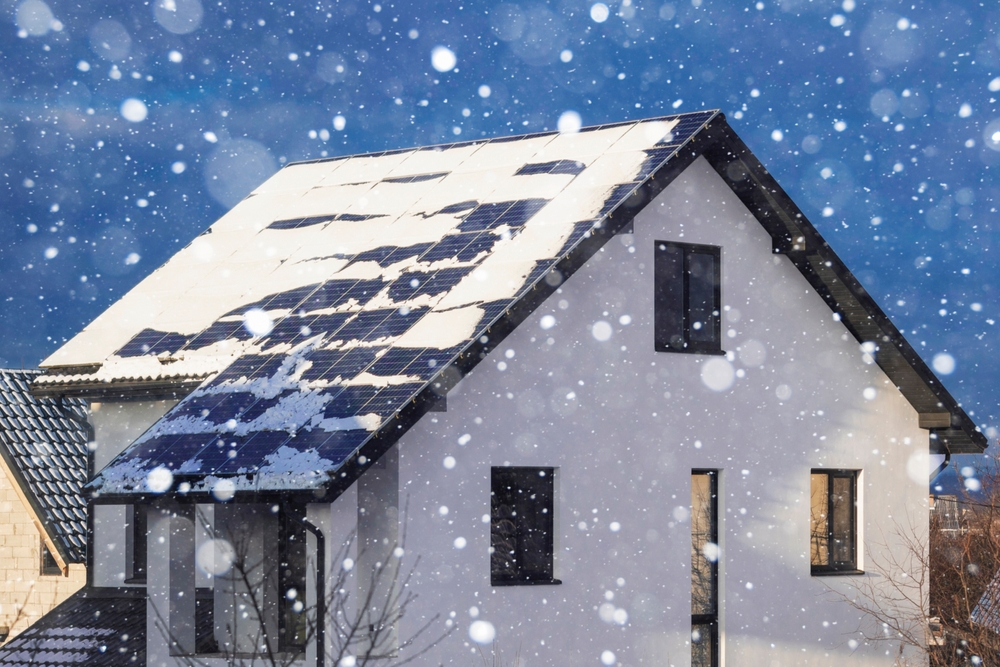
Given that they sit outside in the elements 24 hours a day, it's understandable that some prospective solar panel clients wonder about their ability to withstand some of the tougher elements they run into. In particular, can solar panels withstand heavy snow and ice during the winter in places where it snows often?
At Intermountain Wind & Solar, we're here to offer unmatched commercial and residential solar panel services for clients around Boise, Idaho, and Salt Lake City, Utah, including help with snow load and solar panels during the winter periods. Here are some basics on the design of solar panels and their durability, plus some tips on racking or other methods for avoiding overly heavy snow or ice loads on or around your solar panels.
Firstly, let's discuss the general construction of solar panels and how they are made to withstand snow, ice, and other environmental factors. Solar panels typically have a tempered glass front, an aluminum frame, and a plastic or polymer backing. This design allows for both durability and flexibility, making them suitable for use in various climates.
The durability of solar panels is often measured by their snow load rating. This refers to the amount of weight that the panel can support before it becomes damaged or compromised. A higher snow load rating means that the panel is more resilient to heavy snowfall and can withstand larger amounts of weight without damage.
Aside from their physical construction, solar panels also come with different weather ratings and warranties. These ratings indicate how well the panel will perform in certain climate conditions and the length of time it is covered under warranty.
When it comes to avoiding major ice or snow load on solar panels, the installation process is crucial. Improper installation can lead to weak points in the panel, making it more vulnerable to damage from ice build-up or heavy snowfall. It's important to have a professional installer who follows industry best practices and knows how to properly secure panels for different weather conditions.
A reputable installer will also ensure that the panels are angled correctly to allow for proper snow shedding. This means that when snow accumulates on the panel, it can easily slide off rather than causing additional weight and stress on the system.
For areas that receive significant snow accumulation during winter, proper racking is essential for the long-term performance and efficiency of a solar panel system. Racking systems are used to securely mount panels on rooftops or ground-mounted structures.
When it comes to snowy climates, adjustable racking is highly recommended. This type of racking allows for tilt adjustments throughout the year, so panels can be angled more steeply during winter months to shed snow and then adjusted back to a flatter angle during summer for optimal sunlight absorption.
In addition, choosing strong and durable materials for your racking system is important in areas with heavy snow loads. Steel or aluminum frames are typically recommended over plastic or wood as they can better withstand the weight of accumulated snow.
In addition to proper installation and racking for your solar panels, there are a few other tips you can follow to ensure your system functions optimally during the winter months.
At Intermountain Wind & Solar, we're here to help with all your solar panel needs around Idaho or Utah. Contact us today for help with installing a solar setup that will withstand snow, ice and other elements this winter!





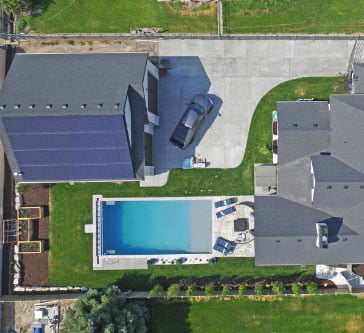
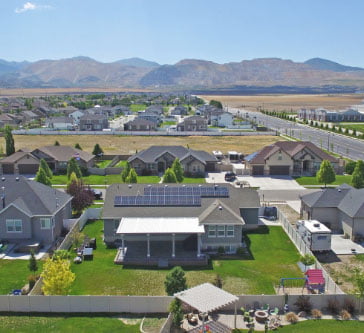
"All of the photos on this website are of real projects that Intermountain Wind & Solar has designed and installed.
We are proud to show off and stand behind our work."