Asking questions of third party professionals you are considering for work on your property is naturally important in many different settings, and solar installation is definitely on this list. What are some of the questions you should be asking when hiring a solar installer?
At Intermountain Wind & Solar, we're proud to offer a wide range of commercial and residential solar power services for clients around Salt Lake City, Utah and Boise, Idaho areas. We regularly consult with prospective clients who have questions about our solar installation and related services, helping you understand the entire scope of our programs to make an informed solar decision. Here are some common question areas to be asking when hiring a solar installer for your home or building.
Some of the first questions you should be posing to any solar panel installation company are related to their licensure and certification. It is important to ensure that the company you choose has all of the required licenses and certifications to legally operate in your area. In addition, checking for any additional certifications or memberships with industry organizations can provide further confidence in a company's expertise and credibility.
If any solar installer is unwilling to provide documentation of their licenses and certifications, this should be a red flag. It is crucial to work with a reputable and qualified company for such an important investment.
Once you've confirmed a solar installer is fully licensed and certified to perform the job, it's important to inquire about their experience and installation history. Ask for references from previous customers and inquire about their satisfaction with the installation process and overall performance of their solar system.
Additionally, it can be beneficial to research how long the company has been in business and how many solar installations they have completed. A company with a proven track record of successful installations is more likely to provide reliable services compared to one that is just starting out.
Solar panels are designed to last for decades, but it's still important to understand the warranty and maintenance options provided by your chosen installer. Inquire about the length of warranties offered for both equipment and installation workmanship.
It's also important to consider the maintenance and upkeep of your solar panels. Some installers may include regular maintenance as part of their services, while others may offer it at an additional cost. Regular cleaning and inspection can prolong the life of your solar panels and ensure they continue to operate at peak efficiency.
Any reputable solar installer should provide you with a detailed breakdown of costs and timelines for your solar panel installation. This includes the cost of equipment, labor, permits, and any other associated fees.
Be wary of companies that offer vague estimates or refuse to provide a written quote. A trustworthy installer will be transparent about their pricing and be willing to answer any questions you may have.
It's also important to clarify the timeline for your solar panel installation. While some installers may promise quick turnaround times, it's important to understand the process and potential delays that may occur due to weather conditions or permit approvals.
Solar panel installations can be a significant investment, but there are various financing options available to make it more affordable. Some companies offer leasing or power purchase agreements (PPAs), where you pay a fixed monthly fee for the use of the panels and energy produced.
Another option is to take out a loan specifically for solar installation, which can often have low interest rates and tax benefits. It's important to carefully consider all financing options and choose the one that works best for your financial situation.
Another set of questions to be asking a solar installer is about the quality of the equipment they use. Solar panels and other components can vary greatly in terms of efficiency, durability, and warranty.
It's important to ask about the brand and model of solar panels being used, as well as their efficiency rating. A higher efficiency rating means that the panels will produce more energy with less surface area, which can be especially important if you have limited roof space for installation.
You should also inquire about the type of inverters being used, as these are responsible for converting the direct current (DC) energy produced by panels into usable alternating current (AC) energy for your home. Some installers may offer microinverters, which are installed on each individual panel and can improve energy production and system monitoring. However, these may come at a higher cost.
As you can see, there are a number of relevant questions to be asking when hiring a solar installer for your home or commercial building. And at Intermountain Wind & Solar, we're here to answer any questions our prospective clients in Utah or Idaho may have about our solar panel solutions - contact us today to get started!
Experience is naturally a desirable trait for many professionals you might consider hiring for home or property improvement tasks, and solar panel installation is no exception. Solar installation expertise is especially important when working with this kind of cutting-edge technology, and there are a few key reasons why.
At Intermountain Wind & Solar, we're proud to offer a wide range of residential and commercial solar panel installation and maintenance services to clients around Boise, Idaho and Salt Lake City, Utah areas. Our installers have decades of combined solar installation expertise, and we know exactly how to ensure your installation goes smoothly and leaves you with a system optimized for your energy needs. Here are some of the key reasons why solar installation expertise is so important, and why you should prioritize it.
From a simple technical standpoint, solar panels are not a simple task to install. They require precise angles, proper connections and careful placement to ensure optimal energy production.
This is where our solar installation expertise comes in. Our team has years of experience working with various types of roofs, including shingle, metal and tile, and we know exactly how to navigate the different challenges each type presents. We also have a deep understanding of electrical systems and can ensure that your solar panels are safely connected to your home's grid.
Another important aspect of solar installation expertise is having knowledge about the local climate and regulations. Every region has its own unique weather patterns and building codes that must be taken into consideration when installing solar panels.
Our team is well-versed in the specific requirements and regulations for solar installation in your area, ensuring that your system is installed correctly and legally. We also have experience navigating local utility companies and can help with any necessary permits or approvals.
Experienced solar panel installers also prioritize the quality and safety of your system. From using proper mounting techniques to carefully connecting all wiring, our team ensures that your solar panels are installed securely and effectively.
We also take measures to protect your home during installation, such as minimizing roof penetrations and conducting thorough inspections throughout the process. Our goal is not only to provide you with efficient energy production but also to give you peace of mind knowing that your system is safe and reliable.
Another key reason why solar installation expertise is so important is to optimize the performance of your system. While solar panels are designed to be low maintenance, they still require regular monitoring and maintenance to ensure they are operating at their full potential.
Our team has extensive knowledge and experience in optimizing solar panel systems, from properly positioning panels for maximum sunlight exposure to regularly cleaning and maintaining them. We also stay up-to-date on industry advancements and can recommend upgrades or modifications to improve your system's performance over time.
Expert solar panel installation companies also offer long-term support benefits to their clients. This can include warranties, system monitoring, and assistance with any maintenance or repairs needed. Choosing a company that offers these benefits can provide peace of mind knowing that your solar panel system is being taken care of and will continue to operate efficiently for years to come.
There are several ways that experienced solar installers help to reduce the risks associated with solar panel installations:
As you can see, there are several reasons why solar installation expertise matters for your property's solar installation. For more here, or to get in touch with our dedicated and experienced solar installers for clients around Idaho and Utah, contact us at Intermountain Wind & Solar today!
Trustworthiness is an important quality for any company you'll be working with to improve your home or property, and a solar installation company is a great example. What makes a trusted solar company, and what should you be considering as you evaluate your options for a desired solar installation?
At Intermountain Wind & Solar, we're proud to offer a wide range of commercial and residential solar installations for clients around Salt Lake City, Utah and Boise, Idaho areas. Here are some of the key qualities that a trusted solar company like ours should be able to showcase, plus what to be thinking about in each area as you choose a company to utilize for solar installation services.
One of the most important qualities of a trustworthy solar company is transparency in pricing and contracts. A good solar company will have clear, upfront pricing information for their services and be willing to provide detailed explanations of any contracts or agreements that need to be signed. It's important to choose a company that is honest and open about their pricing structure, including any potential additional fees or charges that may arise.
And simply put, if any solar company will not provide clear and transparent pricing information, it's best to steer clear and find a company that values honesty and transparency.
Another important factor to consider when choosing a solar company is their certifications and industry partnerships. This can give you an indication of the quality and reliability of the company's services.
Certifications such as NABCEP (North American Board of Certified Energy Practitioners) or SEIA (Solar Energy Industries Association) demonstrate that the company has met certain standards and qualifications in the solar industry. These certifications can provide peace of mind knowing that your solar system will be installed by knowledgeable and experienced professionals.
Additionally, look for companies that have partnerships with reputable manufacturers and suppliers in the solar industry. This can ensure that you are getting high-quality equipment and materials for your solar system.
Because going solar is a large investment, it's important to do your research and read reviews from previous customers. This can give you insights into the customer experience with the company, their installation process, and the performance of their solar system.
You can also ask for references from the company and contact their previous customers directly to get more information about their experience.
You should also be asking about the warranty coverage when considering a solar system. A good warranty will typically cover the panels, inverters, and installation for a certain period of time. It's important to understand what is covered under the warranty and for how long, as well as any additional costs that may be involved.
If any solar company will not discuss the warranty with you or provide a written copy, it should raise a red flag and you may want to consider looking into other options.
Any trusted solar company should also be able to break down what kind of post-installation support they offer. This includes customer service, maintenance, and troubleshooting for any issues that may arise with the system.
A reputable company should have a dedicated team or department for handling customer inquiries and concerns. They should also be able to provide regular maintenance services to ensure that your system is functioning at its best and any necessary repairs are addressed promptly.
It's important to ask about their response time for maintenance requests and how quickly they can address any potential problems with the system. A good solar company will prioritize their customers' satisfaction and work diligently to resolve any issues in a timely manner.
Finally, any trusted solar company should have a commitment to long-term customer success. This means not only providing quality products and services, but also offering ongoing support and assistance to ensure that their customers are satisfied for years to come.
From warranties and maintenance to simple customer service inquiries, a reputable solar company should prioritize their customers' needs and be readily available to help with any issues or questions that may arise. This level of commitment shows that the company values their customers and is dedicated to their long-term success in utilizing solar energy.
At Intermountain Wind & Solar, we're here to offer the best solar installation services in Utah and Idaho. Contact us today to learn more about our longstanding reputation in both states, and why we're the trusted solar company for you!
Understanding expected timelines for major component installations on our properties is naturally important, and solar panels are no exception. What is the solar install process like, and what should you expect throughout it?
At Intermountain Wind & Solar, we're proud to offer the best commercial and residential solar installation services you'll find around Salt Lake City, Utah, and Boise, Idaho, bringing these quality energy upgrades to your home or building efficiently and effectively. While these can differ slightly based on individual situations, here are the basic phases of the solar install process and what to be thinking about through each of them.
Because solar panels are a significant investment and a significant change to your property's outdoor configuration, the first major part of the solar install process is a consultation with a qualified solar installer. During this initial meeting, you can expect the installer to discuss your energy goals, evaluate your property and its surroundings for solar viability, and provide an overview of the installation process. This is also an opportunity for you to ask any questions you may have about solar energy and how it works.
For instance, you may be curious about the different types of solar panels available or how much energy you can expect to generate on a daily basis. The installer will also discuss any necessary permits and approvals that may be required for your specific location.
Either during or after your initial consultation, your chosen installer will conduct a site survey to evaluate the suitability of your property for solar installation. This involves assessing the angle and orientation of your roof, as well as any potential obstructions such as trees or neighboring buildings that may affect the efficiency of your system.
During this process, it is important to provide accurate information about your energy usage and any future plans you may have for home renovations, as these factors can impact the size and design of your solar system.
Once the property has been fully surveyed for solar suitability, the next step is to design a system that best fits your energy needs. This involves determining the number of solar panels, inverters, and batteries required to meet your electricity demand.
The size of your solar system will depend on factors such as your average energy usage, available roof space, and budget. It is important to work with a reputable solar company or installer who can provide you with multiple options and advice on the best system design for your specific needs.
In any case where permits are required, the solar company or installer will handle the permitting process for you. They will obtain all necessary permits from your local government and utility company before beginning installation.
These permits are necessary to ensure that your solar system complies with local building codes and safety regulations. It is important to make sure that all permits are in place before installation begins to avoid any delays or complications.
Once the necessary permits have been acquired, the installation process can begin. The first step is typically to install the mounting system, which will support the solar panels on your roof. This may involve drilling holes and securing brackets onto your roof, so it is important to work with a knowledgeable installer who will take care not to damage your roof during this process.
Next, the solar panels themselves will be installed onto the mounting system. These panels are typically made up of photovoltaic (PV) cells, which convert sunlight into electricity. They are usually made of silicon and have a glass cover to protect the cells.
Once the panels are in place, the wiring and electrical components will be connected. This includes inverters, which convert the direct current (DC) electricity produced by the solar panels into alternating current (AC) electricity that can be used in your home or fed back into the grid.
After the installation of the solar panels and electrical components, a thorough inspection should be conducted to ensure that everything is functioning properly and safely. This may include checking for any loose connections, testing voltage levels, and ensuring that all safety precautions have been taken.
Inspection will also involve monitoring the performance of the solar panels and checking for any potential issues that may affect their efficiency or output. This is important to ensure that your system is operating at its full potential and providing you with maximum energy savings.
And finally, once everything has been thoroughly inspected and tested, you can activate your solar panel system. This process may involve turning on the inverters and connecting the system to your home's electrical grid.
Activation also includes registering your system with your local utility company so that they are aware of your renewable energy source and can credit you for any excess energy produced by your panels. It is important to carefully follow all activation procedures provided by your installer or manufacturer to ensure a smooth and successful activation of your solar panel system.
At Intermountain Wind & Solar, we're here to offer the top solar installation services around Utah and Idaho. Contact us today to learn more or get started!
Given that they sit outside in the elements 24 hours a day, it's understandable that some prospective solar panel clients wonder about their ability to withstand some of the tougher elements they run into. In particular, can solar panels withstand heavy snow and ice during the winter in places where it snows often?
At Intermountain Wind & Solar, we're here to offer unmatched commercial and residential solar panel services for clients around Boise, Idaho, and Salt Lake City, Utah, including help with snow load and solar panels during the winter periods. Here are some basics on the design of solar panels and their durability, plus some tips on racking or other methods for avoiding overly heavy snow or ice loads on or around your solar panels.
Firstly, let's discuss the general construction of solar panels and how they are made to withstand snow, ice, and other environmental factors. Solar panels typically have a tempered glass front, an aluminum frame, and a plastic or polymer backing. This design allows for both durability and flexibility, making them suitable for use in various climates.
The durability of solar panels is often measured by their snow load rating. This refers to the amount of weight that the panel can support before it becomes damaged or compromised. A higher snow load rating means that the panel is more resilient to heavy snowfall and can withstand larger amounts of weight without damage.
Aside from their physical construction, solar panels also come with different weather ratings and warranties. These ratings indicate how well the panel will perform in certain climate conditions and the length of time it is covered under warranty.
When it comes to avoiding major ice or snow load on solar panels, the installation process is crucial. Improper installation can lead to weak points in the panel, making it more vulnerable to damage from ice build-up or heavy snowfall. It's important to have a professional installer who follows industry best practices and knows how to properly secure panels for different weather conditions.
A reputable installer will also ensure that the panels are angled correctly to allow for proper snow shedding. This means that when snow accumulates on the panel, it can easily slide off rather than causing additional weight and stress on the system.
For areas that receive significant snow accumulation during winter, proper racking is essential for the long-term performance and efficiency of a solar panel system. Racking systems are used to securely mount panels on rooftops or ground-mounted structures.
When it comes to snowy climates, adjustable racking is highly recommended. This type of racking allows for tilt adjustments throughout the year, so panels can be angled more steeply during winter months to shed snow and then adjusted back to a flatter angle during summer for optimal sunlight absorption.
In addition, choosing strong and durable materials for your racking system is important in areas with heavy snow loads. Steel or aluminum frames are typically recommended over plastic or wood as they can better withstand the weight of accumulated snow.
In addition to proper installation and racking for your solar panels, there are a few other tips you can follow to ensure your system functions optimally during the winter months.
At Intermountain Wind & Solar, we're here to help with all your solar panel needs around Idaho or Utah. Contact us today for help with installing a solar setup that will withstand snow, ice and other elements this winter!
Winter is upon us, and that means considering the performance of certain components around your property. Solar panels are a great example for any property that features them - how can you maximize winter solar performance this season?
At Intermountain Wind & Solar, we're proud to offer the top residential and commercial solar power services available around Salt Lake City, Utah, and Boise, Idaho, areas, plus important information on how to maximize solar performance throughout the year. Here are some of the ways cold weather can impact panel efficiency, tips for avoiding snow or ice buildup issues, and additional information to ensure winter solar performance is not negatively impacted by the elements.
While some may simply assume that the cold weather in winter makes every element of the solar power generation process more difficult, this actually isn't true. There's one key area of a given solar panel that actually becomes more efficient during the cooler parts of the year, and that's its operating temperature.
During the summer months, panels can become quite hot, which can affect their performance. Generally speaking, the hotter a panel is, the less efficient it is due to resistance in the electrical circuit. This means that during winter months, when temperatures are lower, panels can actually operate more efficiently and generate slightly more power.
Now, this effect is balanced out by some others on the opposite side of the coin. The largest is the simple reduction in daylight hours - winter months mean shorter days, which means there's less sunlight available to generate electricity. Additionally, the angle of the sun changes throughout the year, with it being at its highest point during summer and lowest during winter. This can also affect the efficiency of solar panels, as they are most efficient when directly facing the sun.
So how can you ensure your winter solar performance is up to par for your home or building's needs this season? Our next several sections will dig in.
If your solar panels are exposed to snow and ice, this coverage can impact their performance. Some panels are designed to be self-cleaning, but others may require manual removal of snow and ice buildup to maximize efficiency. This is especially important if you live in an area with heavy snowfall or prolonged periods of cold weather.
Safety should be your top priority when removing snow and ice from your solar panels. Avoid using sharp tools or excessive force, as this can damage the panels and potentially cause injury. Instead, opt for a soft-bristled broom or specialized tools designed specifically for gently clearing off snow and ice.
It's also important to regularly check your panels for any damage caused by snow and ice buildup. If you notice any cracks or other issues, it's best to contact a professional solar panel maintenance company to assess the situation and make necessary repairs.
As we noted earlier, sun angles in winter can sometimes create issues for solar panels. To maximize their efficiency during this time, it's important to adjust the tilt angle of your panels.
In general, the tilt angle should be adjusted two to three times per year - once in the spring and again in the fall. For winter specifically, you'll want to increase the tilt angle by about 15 degrees compared to its summer setting. Our team at Intermountain Wind & Solar is happy to help with this process in any way necessary.
Solar battery storage can be valuable throughout the year, and especially so during winter. Even if you're dealing with shorter sunlight windows, battery storage can help you make the most of that energy. We offer various options for battery storage systems, so you can find one that best suits your home or business needs.
When choosing a battery storage system, it's important to consider the size and capacity of the batteries, as well as their efficiency and lifespan. Our team can walk you through these factors and help you make an informed decision.
As you can see, there are several factors to consider when looking to maintain winter solar performance and avoid any kind of efficiency drop-off or related issues. And at Intermountain Wind & Solar, our team is here to help with these and numerous other solar panel services around Utah and Idaho - simply contact us to learn more, or browse our full range of solar panel and related services online today.
Energy costs have been rising quickly around most of the country in the last few years, and homeowners are regularly looking for ways to limit these costs without sacrificing comfort. Solar panels are a top example of such an approach, helping homeowners lower their energy costs while also contributing to a more sustainable, eco-friendly world.
At Intermountain Wind & Solar, we're proud to offer the best residential and commercial solar panel services available in the Boise, Idaho, and Salt Lake City, Utah areas. We've helped numerous clients in both states achieve fantastic solar energy savings, and we're here to do the same for you! Here are some of the simple ways solar panels help lock in your energy costs and bring you significant energy savings for years to come.
For those who are currently still obtaining power from their local utility, you're likely well aware that costs can fluctuate significantly. These unexpected spikes in energy bills can be a major financial burden for households and businesses alike. However, by switching to solar panels, you eliminate this uncertainty and lock in your energy costs for the long term.
Solar panels generate clean, renewable energy that is not subject to the same price fluctuations as fossil fuels. This means that once your solar panel system is installed, you can expect a steady rate of energy production and predictable energy costs for years to come.
One key component in maximizing the savings from solar energy is the use of batteries. Batteries store excess energy generated by your solar panels during the day, allowing you to use that stored energy at night or on cloudy days. This reduces your reliance on the electricity grid and further lowers your energy costs.
In addition, battery technology has advanced significantly in recent years, making them more affordable and efficient than ever before. With a properly sized battery system, you can significantly reduce your dependence on traditional electricity sources and maximize your savings from solar energy.
Let's look at a basic hypothetical for how solar panels can help create significant energy savings over time. Let's say you install a 5kW solar panel system on your roof, which costs around $15,000 after tax incentives. Assuming an average daily electricity usage of 30 kWh and the current average electricity rate of $0.13 per kWh, your monthly electricity bill would be approximately $117.
However, with solar panels generating clean energy for your household, you could potentially offset up to 80% of your energy needs from the grid. This means that instead of paying $117 each month for electricity, you would only pay about $23 per month.
Over the course of a year, this adds up to significant savings - around $1,128 in just one year! This means the system would pay itself off in just a few years, and then continue to save you money for the rest of its lifespan.
If solar energy savings are among your top priorities, it's crucial to invest in quality solar panel materials and expert installation. High-quality panels will generate more electricity and last longer, giving you maximum savings over time. Additionally, proper installation ensures that your panels are positioned correctly to capture the most sunlight.
Good quality solar panels are usually made with durable materials that can withstand harsh weather conditions and resist corrosion. This means less maintenance and repair costs for you in the long run.
Investing in professional installation also guarantees that your system is set up correctly according to industry standards. Improperly installed systems may not work efficiently, resulting in lower energy production and potentially higher utility bills than expected. In fact, poor installation is one of the top reasons for solar panel failure.
Another important consideration when it comes to solar panels is their efficiency. Efficiency refers to the percentage of sunlight that a solar panel can convert into electricity. The higher the efficiency, the more energy your system can produce. It's recommended to choose solar panels with an efficiency rating of at least 15%.
If you're looking for quality solar energy savings through solar panel installation, Intermountain Wind & Solar is here to help. Our team of experts has over 25 years of experience in the renewable energy industry, and we have installed thousands of solar systems throughout Idaho and Utah.
Contact us today to schedule a consultation and learn more about how solar energy can benefit your home or business. We provide customized solutions based on your specific needs and budget, ensuring you get the most out of your investment in solar panels. Our team will handle every aspect of the installation process, from design and permitting to final inspection and activation.
Have you noticed that your home's energy use tends to ebb and flow significantly throughout the year, making it difficult to budget for? You're not alone, as many homeowners face this issue. One potential solution that also offers several other major benefits: Solar panel installation.
At Intermountain Wind & Solar, we're here to offer the best commercial and residential solar panel services available around Boise, Idaho, and Salt Lake City, Utah. We also assist clients by breaking down how our products will assist with cost certainty and related energy usage areas, including concepts like solar seasonal impact and more. Here are some ways solar panels help stabilize home energy usage, including info on seasonal production shifts and how you can boost your energy savings by pairing solar with smart home energy management.
Before we get into how solar power can help stabilize home energy usage, let's first discuss some of the challenges that many homeowners face with traditional energy sources. The most common form of residential energy is electricity, which is typically generated through burning fossil fuels like coal and natural gas. This creates a constant need for fuel, leading to fluctuating energy prices that can significantly impact a homeowner's monthly budget.
Additionally, electricity production relies heavily on weather conditions and demand, resulting in seasonal shifts in production levels. For example, during hot summer months when air conditioning usage is high, there may be a strain on the grid as more people are using electricity at the same time. This can lead to increased energy costs for homeowners and potential power outages during peak demand periods.
In order to mitigate these effects and create a more sustainable and reliable energy system, many countries are investing in alternative sources of energy such as solar, wind, geothermal, and hydro power. These renewable energy sources have the potential to reduce our dependence on fossil fuels and decrease carbon emissions, making them a crucial component in the fight against climate change.
One of the key features of solar energy is its ability to be stored in batteries for later use. This allows for the mitigation of seasonal shifts in energy production, which can greatly impact a country's overall energy supply.
During peak summer months, when solar panels are producing excess energy due to longer daylight hours and more intense sunlight, the surplus energy can be stored in batteries for use during winter months when there is less sun and less energy being produced. This helps to even out the fluctuations in energy production and consumption throughout the year.
This type of seasonal battery storage also has the potential to reduce strain on traditional power grids during times of high demand. For example, during extremely hot summers when air conditioning usage is at its peak, solar battery storage systems can help to alleviate the strain on power grids and prevent blackouts.
This is known as net metering, which is a billing system that credits solar energy producers for the excess energy they contribute back to the grid. By using battery storage to store and distribute this excess energy, it can be used during peak demand times instead of relying on traditional power sources.
For maximum stability in your home energy usage, the combination of solar power generation and the use of smart home features for energy management can go a long way. Some examples:
And at Intermountain Wind & Solar, we're here to help with any kind of home solar power installation to boost your energy management. Contact us today to learn about important concepts like solar seasonal impact and related elements, whether you're a client in Idaho or Utah!
Warranties are important considerations for many high-value products in or around our homes, and this concept is definitely applicable to solar panels. What should you be thinking about as a homeowner when it comes to a solar warranty if you're considering solar panel installation?
At Intermountain Wind & Solar, we're here to offer the best commercial and residential solar power services around Salt Lake City, Utah, and the Boise, Idaho area. We regularly help clients understand solar warranties and how they impact the overall picture of your installation. Here are some basic pieces of homeowner information to understand when it comes to solar warranties.
Firstly, it's important to note that there are a few different kinds of solar panel warranties out there. Some of the key varieties include:
Because solar panels are meant to be products that work well into the future, most solar warranties are also long-term in nature. They tend to average 25 years or longer, though some warranties may only last 10 years. As a result, solar panel warranties tend to be longer than most other product warranties.
This means that as a consumer, you can rest assured that your panels will continue to function efficiently for years to come. In the case of any defects or issues, you can rely on your warranty to cover the necessary repairs or replacements.
While the exact steps here will vary based on your individual warranty, there are a few common steps to take when making a solar warranty claim:
When it comes to solar warranties, there are a few questions or red flags to keep in mind when going through the claims process:
It's important to ask these questions and fully understand the details of your solar warranty so you can properly navigate through the claims process. If you encounter any issues or discrepancies, don't hesitate to bring them up and address them with all parties involved.
At Intermountain Wind & Solar, we're here to help with any solar panel question or need you may have, including with solar warranties. Contact us today for any of our solar power services around Utah or Idaho!
There are a few key property components that typically need to be considered before installing solar panels, and roofing is typically high on any such list. What should you be thinking about when it comes to roof readiness for solar, and what are some signs that roof repairs might be needed before you get started?
At Intermountain Wind & Solar, we're here to offer a wide range of solar panel and related roofing services for clients around Salt Lake City, Utah and Boise, Idaho areas. Here are some common roofing issues that will need to be repaired before solar panel installation, plus some additional considerations - including settings when reroofing may be necessary before installing solar panels.
Here are a few of the most common roofing issues that our team at Intermountain Wind & Solar encounters before installing solar panels:
Because solar panels are somewhat heavy in nature, it's important to consider the structural load that they will add to your roof. This is especially important if you have an older or weaker roof structure. If your roof can't handle the additional weight, it may need reinforcement before solar panel installation can occur.
For older homes, it's recommended to have a structural engineer evaluate your roof before installing solar panels. They can assess the load-bearing capacity of your roof and make recommendations for any necessary reinforcements.
Additionally, it's important to consider the location and orientation of your solar panels in relation to your home's structure. Placing them too close to the edge of your roof or on weaker areas could potentially compromise its integrity. It's best to work with a professional installer who has experience with both solar panel installation and roofing structures.
In some situations, reroofing might be necessary before installing solar panels. If your roof is nearing the end of its lifespan, it would be more cost-effective to replace it before installing solar panels. This will prevent potential damage or issues during the installation process and ensure that your solar panels have a stable and secure foundation.
Another consideration is the material of your current roof. While most types of roofing can accommodate solar panel installations, some materials may require extra precautions or reinforcements. A professional installer will be able to assess your roof and make recommendations for any necessary reinforcements.
When it comes to solar panels and roofing, there are many companies that specialize in one or the other. However, it can be highly beneficial to work with a company that offers both services. This not only simplifies the process for you as the homeowner but also ensures seamless coordination between the two projects.
A company that offers both solar panel installations and roofing services will have a better understanding of how the two systems work together. They will be able to design and install your solar panels in a way that integrates seamlessly with your roof, optimizing energy production and ensuring long-term durability.
Additionally, working with one company for both services can save you time and money. You won't have to coordinate schedules and communication between multiple contractors, which can lead to delays.
At Intermountain Wind & Solar, we're proud to assist clients with both solar panel installation and a variety of roofing-related needs around Utah and Idaho, including roof readiness for solar. Contact us today to learn more about our services!


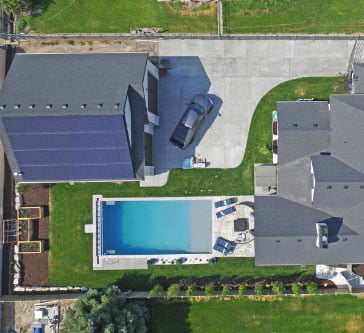
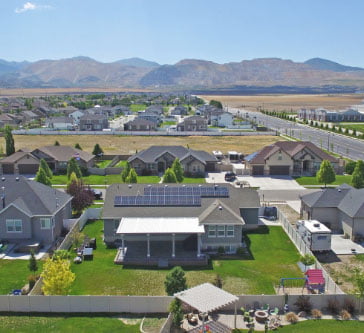
"All of the photos on this website are of real projects that Intermountain Wind & Solar has designed and installed.
We are proud to show off and stand behind our work."