Warranties are important considerations for many high-value products in or around our homes, and this concept is definitely applicable to solar panels. What should you be thinking about as a homeowner when it comes to a solar warranty if you're considering solar panel installation?

At Intermountain Wind & Solar, we're here to offer the best commercial and residential solar power services around Salt Lake City, Utah, and the Boise, Idaho area. We regularly help clients understand solar warranties and how they impact the overall picture of your installation. Here are some basic pieces of homeowner information to understand when it comes to solar warranties.

Different Types of Solar Warranty

Firstly, it's important to note that there are a few different kinds of solar panel warranties out there. Some of the key varieties include:

Typical Terms

Because solar panels are meant to be products that work well into the future, most solar warranties are also long-term in nature. They tend to average 25 years or longer, though some warranties may only last 10 years. As a result, solar panel warranties tend to be longer than most other product warranties.

This means that as a consumer, you can rest assured that your panels will continue to function efficiently for years to come. In the case of any defects or issues, you can rely on your warranty to cover the necessary repairs or replacements.

How to Claim Solar Warranties

While the exact steps here will vary based on your individual warranty, there are a few common steps to take when making a solar warranty claim:

  1. Prepare your documentation: This includes any paperwork related to your solar installation and the warranty itself. Make sure you have all necessary documents on hand before making a claim.
  2. Contact the manufacturer or installer: In most cases, you will need to reach out to either the manufacturer of your panels or the company that installed them for assistance with your claim.
  3. Explain the issue and provide evidence: Clearly explain the problem you are experiencing and provide any relevant evidence, such as photos or data readings. The more detailed and specific you can be, the smoother the claims process will be.
  4. Follow instructions from the manufacturer or installer: They may require you to perform certain troubleshooting steps or provide additional information before they can process your claim.
  5. Keep records of all communication and documentation: Make sure to keep a record of any emails, phone calls, or letters related to your claim. This will be helpful in case there are any discrepancies or issues that arise during the process.
  6. Be patient and persistent: It’s important to remember that the claims process may take some time, especially if it involves multiple parties such as the manufacturer, installer, and insurance company. Be patient, but also don’t be afraid to follow up and check on the status of your claim.

Questions or Red Flags to Bring Up

When it comes to solar warranties, there are a few questions or red flags to keep in mind when going through the claims process:

It's important to ask these questions and fully understand the details of your solar warranty so you can properly navigate through the claims process. If you encounter any issues or discrepancies, don't hesitate to bring them up and address them with all parties involved.

At Intermountain Wind & Solar, we're here to help with any solar panel question or need you may have, including with solar warranties. Contact us today for any of our solar power services around Utah or Idaho!

The concept of service and inspection is important for many high-value items around our properties, and solar panels are a great example. How often should solar panels be serviced or inspected, and what kind of solar inspection checklist should be used for these basic inspections?

At Intermountain Wind & Solar, we're proud to offer the very best residential and commercial solar panel services available across Salt Lake City, Utah and Boise, Idaho areas. We assist with everything from solar panel installation to repairs and maintenance needs, helping you keep your system in tip-top shape for years to come. Here are some basics on solar panel service and inspections, from DIY solar inspection checklist items to certain situations where solar panel service should be left to the professionals.

Why Solar Panel Inspections and Service Are Important

First and foremost, why are regular solar panel inspections and service important? There are several reasons:

Typical Service and Inspection Intervals

When it comes to maintaining your solar panels, it is important to follow the manufacturer's recommended service and inspection intervals. These may vary depending on the type of panels you have, but here are some general guidelines:

DIY Vs. Pro Inspection

There are a few key differences between inspecting your solar panels yourself versus hiring a professional to do it. Here are some factors to consider:

At Intermountain Wind & Solar, we're proud to offer solar panel service or inspections for any system around the SLC, Utah, or Boise, Idaho areas. Contact us today for solar power services!

There are a few legal requirements you may need to consider when it comes to installing solar panels, and state solar rules are among them. One particular element of state solar rules that are worth being aware of: Whether you need a permit to install solar panels, and what this permitting process is like.

At Intermountain Wind & Solar, we're here to help with all your commercial and residential solar power services around Salt Lake City, Utah and Boise, Idaho areas - including help with any and all permitting requirements in both states. Here's a general overview of why permits are required by most states for solar panel installation, plus some of the areas these permits may cover and how to go about understanding these requirements within your area.

Why Permits Are Often Required for Solar Panel Installation

Many states have state solar rules that require some kind of permitting or inspection process before a solar panel installation can be completed. These rules are in place to ensure the safety and efficacy of the solar energy system, as well as to protect the environment and comply with building codes. Permits typically cover aspects such as structural integrity, electrical safety, and fire prevention measures.

In addition to state regulations, many local governments also have their own set of requirements for solar panel installations. This is why it's important to research not only state regulations but also those specific to your city or county before beginning any solar panel project.

Possible Permit Areas for Solar Panel Installation

While permit requirements may vary slightly depending on location, here are some common areas that permits may cover for solar panel installation:

Utah and Idaho Examples

Utah and Idaho are both good examples of states where anyone looking to install solar panels may need to navigate both state-level and local municipality permit requirements. These states have varying regulations and incentives, with some cities offering additional rebates or tax incentives on top of state-level programs.

Be sure you are familiar with the specific regulations and requirements for your state before moving forward. If you are unsure where to look, our team at Intermountain Wind & Solar will be happy to guide you in the right direction and even help explain important terminology or nuances to you.

Value of Working With Local Solar Experts

The realm of solar permits is one area that highlights the immense value of working with a local solar company. Our team at Intermountain Wind & Solar is well-versed in the requirements and regulations of Utah and Idaho alike. This expertise allows us to streamline the process for our clients and avoid any unnecessary delays or complications.

In addition, by choosing to work with a local solar expert, you are supporting your community and keeping money within your state's economy. Local businesses also tend to have a better understanding of regional climate conditions, energy consumption patterns, and utility rates, allowing them to tailor their services and recommendations accordingly.

Moreover, local solar companies often have established relationships with other businesses in the area. This can lead to potential partnerships or discounts on equipment or installation services.

So what are you waiting for? Contact our team at Intermountain Wind & Solar to get started with the permitting and planning process for your solar panel installation!


Welcome to part two of our newest series at Intermountain Wind & Solar: "You've Installed Solar! Now What?" In part one, we looked at some basic monitoring and maintenance tips for new solar panel owners to keep in mind.

At Intermountain Wind & Solar, as one of the top solar companies in Salt Lake City, Utah and Boise, Idaho, we offer several robust options to save on your power rates through solar panel installation and battery backup services. Today's part two of our series will look at a different question: How do you address issues where solar panels are not producing the expected energy output? Let's dive in!

How to Understand Your Expected Solar Output

Before we get into some possible reasons for subpar solar panel output or some ways to address them, let's start by understanding your expected solar output. The total amount of energy produced by a solar panel system is measured in kilowatt-hours (kWh).

There are various factors that can affect the production of kWh, including weather conditions, shading from trees or buildings, and the level of efficiency of your panels. A typical residential solar panel system should produce around 10-12 kWh per day for every 1 kW of installed capacity. So, if you have a 5 kW system installed on your roof, you should expect to generate around 50-60 kWh per day under ideal conditions.

It's important to remember that these numbers are just estimates and can vary depending on location and other factors. But understanding your expected output can help you identify potential issues and address them promptly.

Understanding Your Power Needs

On the other side of the same coin, it's also important to understand your power consumption and needs. If you are consistently using more energy than your solar panel system can produce, you may need to adjust your usage or consider increasing the size of your system.

On the other hand, if you are producing more energy than you need, there are options like net metering that allow you to sell excess energy back to the grid.

Possible Reasons for Subpar Solar Output

Now let's take a look at some possible reasons why your solar panels may not be producing the expected amount of energy:

Ways to Address Subpar Solar Output

Some of the above issues cannot really be avoided, namely adverse weather - there are simply certain times of year where solar panel output may be lower. However, there are some steps you can take to address subpar solar output and improve the overall performance of your system:

Importance of Quality Installation

And as many solar power clients quickly realize, much of this really comes back to the initial installation of your solar panel system. This is why it's crucial to work with a reputable and experienced solar company like Intermountain Wind & Solar for all your installation needs. Our team has years of experience and expertise in designing, installing, and maintaining high-quality solar systems that meet and exceed our clients' expectations.

At Intermountain Wind & Solar, we understand that investing in solar panel installation is a significant decision. That's why we are committed to providing not only top-notch products but also ongoing support and guidance for our clients throughout their solar journey. With proper monitoring, maintenance, and prompt action when needed, you can ensure that your solar panel system continues to provide clean, renewable energy for years to come.

Stay tuned for part three of our series, where we will be discussing how to claim tax credits or incentives for your solar panel installation. Contact us today for help with solar panel installation or other services around SLC, Utah and Boise, Idaho!

Welcome to our latest series at Intermountain Wind & Solar: "You've Installed Solar! Now What?" In this series, we'll aim to answer basic questions about how to utilize, maintain and maximize your solar panel setup once it's been installed on your home or building.

At Intermountain Wind & Solar, we're proud to serve as one of the top solar companies across Salt Lake City, Utah and Boise, Idaho areas, providing everything from solar panel installation to solar home battery installation and more. In this first entry in our series, we'll cover some basics on how to monitor and maintain your solar panels once they've been installed.

Monitoring Solar Panel Performance

Because solar panels are a major investment, it's naturally important to keep an eye on their performance levels. One of the major benefits of modern solar panels is how easy it is to monitor their production, allowing you to catch any potential issues early and ensure maximum efficiency and savings.

One of the best ways to monitor your solar panel performance is through a dedicated monitoring system that will show you exactly how much energy your panels are producing and using in real-time. These systems can also track historical data, providing insight into long-term trends that may impact performance.

There are a few types of solar panel monitoring systems available, including:

Now that we've gone over basic monitoring tips, let's also look at a few key areas when it comes to both short-term and long-term solar panel maintenance.

Basic Cleaning

One of the simplest but most important tasks for maintaining your solar panels is regular cleaning. Keeping your panels clean will ensure maximum sunlight absorption and therefore, optimal energy production.

It's generally recommended to clean your panels at least once a year, but more frequent cleaning may be necessary depending on factors like location and weather conditions. Most solar panel manufacturers recommend using only water and a soft cloth or sponge for basic cleaning, avoiding harsh chemicals or abrasive materials.

Professional Inspections

In addition to regular cleaning, it's also important to have professional inspections of your solar panel system every few years. These inspections can identify any potential issues with the panels themselves or other components of the system, such as inverters or wiring.

During these inspections, professionals will also check for any damage or defects that may affect the performance of your panels. Catching these issues early can save you from costly repairs and ensure your system continues to operate efficiently.

Weather Event Checks

If your area experiences severe weather events, it's always a good idea to visually inspect your solar panels for any damage or debris. High winds, hail, and extreme temperatures can all potentially impact the performance of your panels.

If you do notice any damage or issues after a weather event, be sure to contact your solar company as soon as possible for further inspection and potential repairs.

Small Repairs if Needed

In some cases, you may need to make small repairs to your solar panels or other components of the system. This could include replacing a damaged panel, fixing faulty wiring, or repairing an inverter.

If you are not comfortable making these repairs yourself, it's always best to contact your solar company for assistance. Attempting DIY repairs could potentially void any warranties and cause further damage if not done correctly.

As you can see, there are several important factors to consider when monitoring and maintaining your solar panel system. Regular cleaning, professional inspections, and being mindful of potential weather events can all help ensure maximum efficiency and savings from your investment in solar energy.

Stay tuned for our next entry in this series, where we'll go over how to address solar panels that aren't producing the expected levels of energy, plus the rest of our series! At Intermountain Wind & Solar, we're here to help you make the most of your solar panel system for years to come. Contact us today with any questions or concerns about your solar setup around SLC, Utah or Boise, Idaho areas.

Cleaning is a common topic around any home or property, but there will often be questions about certain areas or components and whether there's any value to cleaning them. A common such question: Do solar panels need to be cleaned?

At Intermountain Wind & Solar, we're here to provide clients around Salt Lake City, Utah and Boise, Idaho with all their solar panel needs, including both commercial and residential solar power services. The answer to the above question: While solar panels don't technically need to be cleaned regularly to operate, there are several benefits of doing so periodically. Here are some of these benefits, plus the risks you're taking if you never clean your solar panels.

Maintaining Maximum Output

As you may have guessed, one of the single largest benefits of cleaning your solar panels is that it can actually improve their output and efficiency. This is because dirt, grime and other buildups on the surface will eventually block some or all sunlight from reaching the cells inside your panels, meaning they'll be unable to produce as much energy.

In fact, according to studies by the National Renewable Energy Laboratory (NREL), regularly cleaning solar panels can increase their efficiency by up to 30%. This ultimately translates into savings on your electricity bill and a better return on investment for your solar panel system.

Protecting Your Investment

Speaking of return on investment, keeping your solar panels clean is one of the easiest and most cost-effective ways to protect your initial investment. By ensuring your panels are functioning at their highest potential, you can maximize the lifespan of the system and avoid costly repairs or replacements down the road.

Preventing Module Staining

One specific way of protecting your solar investment that's worthy of its own mention is preventing module staining. This term refers to the discoloration and damage that can occur on solar panels over time due to buildup of dirt, dust, pollen and other substances. Not only does this affect efficiency, it can also decrease your home's curb appeal and potentially lower property value.

But by regularly cleaning your solar panels, you can prevent module staining and keep your home looking pristine. This is especially important for those considering selling their home in the future.

Warranty Maintenance

Another big reason to keep your solar panels clean is to maintain the warranty on your system. Most manufacturers will require regular maintenance, including cleaning, in order for their warranty to remain valid. So making sure you're keeping up with these requirements will save you headaches and potentially money down the line.

Safety Concerns

Finally, while solar panels are generally safe and low-maintenance, allowing them to become too dirty can potentially create safety hazards. For example, debris or buildup on panels could lead to electrical fires or other issues. By regularly cleaning your solar panels, you can ensure they are operating safely and efficiently.

Water Usage Concerns

Some people may be hesitant to clean their solar panels due to concerns about water usage during a time when droughts and water scarcity are becoming more prevalent. However, it's important to note that solar panels don't need to be cleaned with large amounts of water.

In fact, using a gentle spray from a garden hose or even rainwater can effectively remove dirt and debris from the surface of solar panels. Additionally, using biodegradable and environmentally-friendly cleaning solutions can further minimize water usage and potential harm to the environment.

Risks of Not Cleaning Solar Panels

On the flip side of what we've gone over to this point, here are some of the key risks you take if you don't regularly clean your solar panels:

Overall, while it may not be absolutely necessary to clean your solar panels, there are clear benefits and risks associated with keeping them maintained. By taking care of this simple task periodically, you can maximize the return on your solar investment and ensure your home is running as efficiently as possible.

At Intermountain Wind & Solar, we're always here to answer any questions you may have about solar panel cleaning or maintenance. Our team of experts is dedicated to helping you get the most out of your solar system and providing top-notch service for all your renewable energy needs. So if you're in Salt Lake City, Utah, Boise, Idaho, or surrounding areas, don't hesitate to contact us today for all your residential and commercial solar power needs!

Power Your Home with Solar

Power Your Home with Solar

Get in touch with our experts now!
Schedule a consultation
Power Your Home with Solar
Solar reviews
Utah Dolar Energy
Top Solar Contractors
Utah Clean Energy
Accredited Business

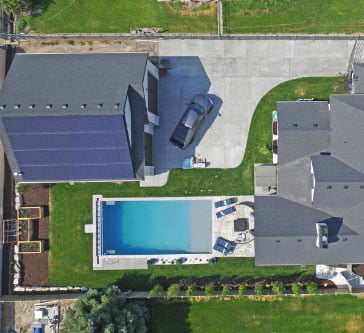
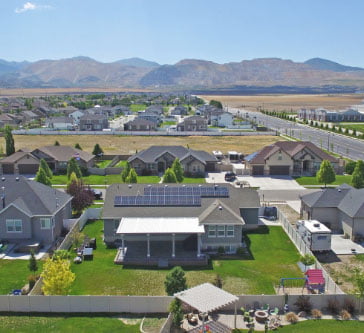
"All of the photos on this website are of real projects that Intermountain Wind & Solar has designed and installed.
We are proud to show off and stand behind our work."

chevron-down linkedin facebook pinterest youtube rss twitter instagram facebook-blank rss-blank linkedin-blank pinterest youtube twitter instagram