
Part one of this blog post discussed the first two things you need to determine when you’re trying to figure out how big of a solar energy system is required to meet your power needs. That includes calculating your total energy usage and determining your solar goals. Next we’ll go into two additional factors, as well as the calculation.
Another factor in determining your solar panels needs is how much sunlight your roof will get on an average day. More sunlight hours means you can get fewer panels because they will be able to absorb solar energy for longer. Fewer hours, or periods of shade in and around your home will require more panels to generate the same amount of power.
Not all solar panels are created equal, so a final calculation you need to make is based on the wattage and efficiency of your system, and the weather in your area, which can impact panel efficiency (panels in Las Vegas are going to get more sun than those in Oregon).
Once you know all this information, multiple your hourly energy usage by 1,000 to get the number of watts you need. Multiply that by the daily peak sunlight hours to find out how much your panels need to produce hourly, then divide that by the number of watts each panel can produce.
Example: your home uses 900 kWh per month
Panel efficiency ranges from about 150 watts on the low end to 370 on the high end, so to calculate number of panels:
In this calculation you need 17-42 panels, depending on the efficiency of your system. It’s also a good idea to build in a small cushion in case your panels don’t perform at their peak efficiency at all times, so add about 25% to your panel needs. That requires 21 panels (high efficiency) up to 52 panels (low efficiency). Your roof size may be a limiting factor if the part that faces the sun isn’t large enough to fit all the panels you need. In that case talk to your installer about ground-mount systems or other options.
If math isn’t really your thing, Intermountain Wind and Solar has a solar calculator on our website to determine how many solar panels you need.
The number of solar panels you need depends on four main factors: your monthly electricity usage (kWh), your solar goals (offset percentage), your available sunlight hours, and the efficiency (wattage) of the panels you choose. A solar professional will analyze your utility bills, roof orientation, shading, and local weather patterns to design the right system size for your home.
Most homes in the United States require between 15 and 30 solar panels to offset a large portion of their electricity use. Homes with higher energy consumption, electric vehicles, or all-electric heating may require more panels, while energy-efficient homes may need fewer.
Sunlight hours directly impact how much energy your system produces. Homes in sunnier regions typically need fewer panels to generate the same amount of electricity compared to homes in cloudy climates. Roof direction, tilt, nearby trees, and shading also play a major role in solar performance.
Panel efficiency refers to how much sunlight a solar panel can convert into usable electricity. Higher-efficiency panels produce more power in less space, which is ideal if your roof area is limited. Lower-efficiency panels may require more roof space to achieve the same energy output.
Yes, many homeowners choose to add extra capacity (often 10–30%) to account for future energy needs such as electric vehicles, home additions, or increased electricity rates. Building in a cushion also helps compensate for seasonal production changes and long-term panel degradation. Though the good news is that recent studies have found solar panel degradation happens much slower than previously thought.
If roof space is limited, there are still options. Higher-efficiency panels can reduce the number required, and alternative installations like ground-mounted solar systems, carports, or detached structure installations may be possible depending on your property. Different brands of solar panels can offer different levels of efficiency.
Online solar calculators are a helpful starting point to give you a general estimate, but they provide estimates based on averages. Following up with a professional solar assessment will be more accurate because it includes roof measurements, shading analysis, electrical infrastructure, and local climate data specific to your home.
Yes. Solar can still provide savings and energy independence even for lower-usage homes. System size can be customized to match your needs and budget, and incentives or financing options may make solar financially beneficial regardless of usage level. Though each home is unique and solar companies like Intermountain Wind and Solar will let customers know if solar isn't suited for their home.
Snow usually has minimal long-term impact on annual solar production. Panels are installed at an angle, allowing snow to slide off quickly, and sunny winter days can still produce electricity even in colder temperatures.





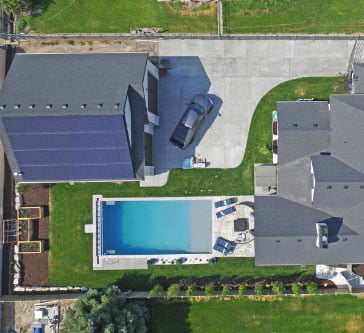
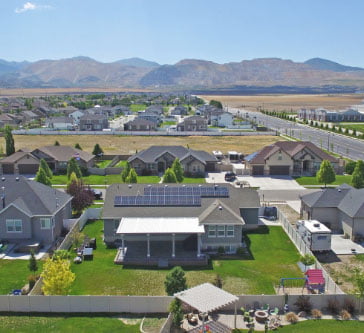
"All of the photos on this website are of real projects that Intermountain Wind & Solar has designed and installed.
We are proud to show off and stand behind our work."