Many homeowners consider installing off-grid solar energy systems, which allow them to sever ties with the local utility company. But while cutting all ties with the power company is certainly possible (and can even be practical) for many people, investing in a stand-alone photovoltaic power system isn’t right for everyone.

If you’re trying to weigh the pros and cons of off-grid solar power, scheduling a consultation with a professional photovoltaic contractor is a great way to get all your questions answered. In the meantime, however, we have put together some basic information about the advantages and disadvantages of going off-grid with solar power.
Disconnecting from your municipal power company comes with several benefits — no doubt the following advantages play a part in your desire to install an off-grid photovoltaic system:
Installing an off-grid photovoltaic system does come with some drawbacks, however. Here are a few reasons homeowners end up deciding against going off-grid:
What is your main motivation for wanting to go off-grid? Answer that question, and you will have a better idea of whether to install an off-grid PV system.
If energy independence, an end to blackouts or eliminating your electricity bills is your primary reason, cutting ties with the power company may be right for you. The same may be true if your home isn’t already connected with electric utility service, as running new lines to a property can cost tens of thousands of dollars, depending on how far the nearest lines are.
If, on the other hand, you simply want to save money by creating your own electricity, you might want to consider a grid-tied photovoltaic system instead.
The professionals at Intermountain Wind & Solar provide high-quality, affordable grid-tied and off-grid photovoltaic solutions to homeowners throughout Utah, Idaho and Wyoming. Contact us today to schedule a free, no-hassle consultation for more information on installing off-grid solar energy systems.
Installation of a typical 8 kW off-grid solar system in Utah runs $24,000–$30,000 before incentives. IWS has offered best cost-per-watt pricing since 2008, installing over 3,000 systems statewide.
Off-grid solar systems need annual battery inspections and inverter firmware updates. IWS full-time techs recommend 1–2 service checks per year and battery replacements every 10–12 years for peak performance.
Yes, with proper sizing—10–12 kW of panels plus a 20 kWh battery bank—an off-grid system can supply an average 8,000 kWh/year Wyoming home. IWS uses real project data from 1,500+ local installations.
IWS offers multiple financing options: 12–20 year solar loans at 3.49%–5.99% APR, bulk-purchase discounts up to 15%, and lease-to-own agreements. All paperwork is handled in-house for Utah, Idaho, Wyoming, and Oregon.
Typical off-grid solar installations take 2–3 weeks from permit to startup. Since 2008, IWS has streamlined in-house permitting and used full-time installers to complete over 1,000 off-grid projects across the Intermountain West.





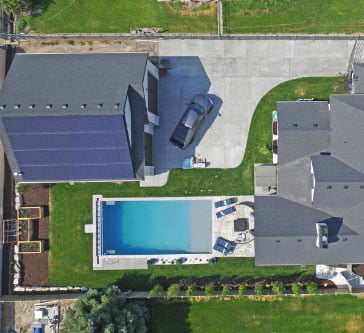
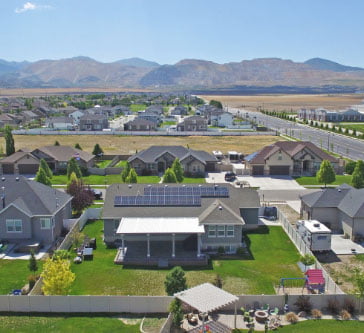
"All of the photos on this website are of real projects that Intermountain Wind & Solar has designed and installed.
We are proud to show off and stand behind our work."