
Planning a home energy upgrade requires four essential steps: evaluating your current energy usage, fixing building inefficiencies first, right-sizing renewable technologies like solar panels, and preparing for future additions like battery storage and EV chargers. By following this structured sequence, homeowners lower utility bills, boost interior comfort, and maximize long-term savings.
Homeowners across the Intermountain West face unique seasonal weather, from hot Treasure Valley summers to cold Wasatch Front winters. Intermountain Wind & Solar helps residents navigate every stage of this transformation with confidence. If you are ready to modernize your residential property, contact our team in Salt Lake City, Utah, or Boise, Idaho, to explore how a tailored home energy solution can transform your daily power consumption.
Planning a successful residential energy project involves taking a smart, step-by-step approach to maximize savings and performance.
Before purchasing new equipment, you need a clear baseline of your power habits. Reviewing 12 months of utility bills reveals seasonal spikes driven by summer air conditioning or winter heating. A professional energy audit pinpoints exact areas where power is wasted.
Auditors use specialized tools like thermal imaging cameras and blower door tests to find drafty windows, poor attic insulation, and duct leaks. Identifying these issues early prevents you from buying an oversized solar setup to power a drafty house.
The most cost-effective home energy upgrade strategy is reducing energy waste before generating your own power. Sealing air leaks, adding attic insulation, and upgrading to high-efficiency heat pumps significantly lowers total electricity demand.
| Upgrade Phase | Focus Area | Primary Benefit |
| Phase 1: Efficiency | Air sealing, insulation, and LED lighting | Reduces overall kWh demand |
| Phase 2: Generation | Rooftop solar panel installation | Produces clean, local electricity |
| Phase 3: Storage & Mobility | Smart batteries, level 2 EV chargers | Provides backup power and grid independence |
Completing efficiency projects first means you can install a smaller, less expensive solar array to offset 100% of your usage. This double-dip approach cuts upfront installation costs while speeding up your return on investment.
A comprehensive home energy upgrade should accommodate your family's future lifestyle needs. If you plan to purchase an electric vehicle or install energy storage, inform your contractor during initial design phases.
Designing a system with expandable inverters and extra circuit space saves thousands of dollars compared to retrofitting equipment years later.
A successful project balances immediate financial investments with long-term payoff goals. Most residential solar and efficiency projects take between four and eight weeks from initial consultation to final utility interconnection.
Federal tax credits, state incentives, and local utility rebates from providers like Rocky Mountain Power and Idaho Power significantly reduce net costs. Establishing clear financial expectations helps you select equipment warranties and financing plans that match your household budget.
Fixing leaks and improving insulation lowers your home's total power consumption. This allows you to install a smaller solar panel system, saving money on equipment without sacrificing performance.
Most projects take four to eight weeks. The timeline includes initial site assessments, custom system design, local municipal permitting, physical installation, and final utility approval.
Yes, but planning for storage from day one makes future integration simpler and less costly. Installing a storage-ready inverter during initial setup avoids expensive component replacements down the road.
The Federal Solar Tax Credit (ITC) was available to homeowners to deduct up to 30% of project costs on solar and battery storage systems, but this program ended in 2025. Local utilities like Rocky Mountain Power also offer battery rebate programs to further reduce out-of-pocket expenses.
Executing a proper home energy upgrade transforms your living space into a modern, self-sustaining property. By assessing usage, improving efficiency, and preparing for future technology, homeowners lock in predictable energy rates for decades.
Intermountain Wind & Solar provides customized renewable systems across Salt Lake City, Utah, and Boise, Idaho. Contact our local team today to schedule an initial consultation and begin your journey toward power independence.





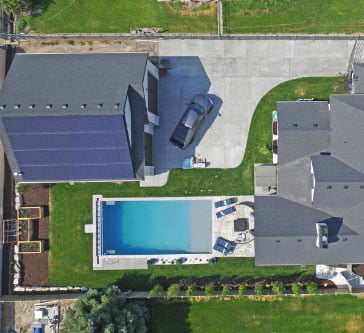
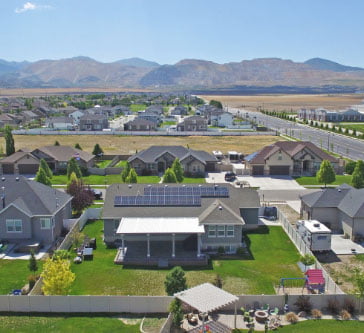
"All of the photos on this website are of real projects that Intermountain Wind & Solar has designed and installed.
We are proud to show off and stand behind our work."