
Entering into a solar lease allows homeowners to adopt clean, renewable energy with reduced upfront costs. A solar lease is an agreement where a third-party provider owns and maintains the solar panel system on your roof, while you pay a fixed monthly fee to use the electricity it generates. Choosing this path requires a clear understanding of the financial commitment and contractual terms before signing any paperwork.
If you are exploring clean energy options, reaching out to Intermountain Wind & Solar can help you determine whether a solar lease fits your home in Salt Lake City, Utah, or Boise, Idaho. Before signing a contract, you must ask the right questions about pricing structures, long-term options, and routine maintenance responsibilities. Evaluating these factors helps you avoid unexpected cost increases and ensures the system aligns with your broader financial goals.
Understanding your lease details upfront protects your household investment and long-term budget.
When reviewing a lease agreement, start by examining the core financial terms. Most standard residential contracts run for 20 to 25 years. Ask your provider about the precise monthly payment, payment due dates, and whether a down payment is required at signing.
Be sure to ask about annual escalation clauses. An escalation clause increases your monthly rate by a set percentage each year (typically 1% to 3%) to account for inflation. Ask for a complete 20-year payment schedule so you can see how your rate evolves over time.
Because the leasing company technically owns the equipment, they are generally responsible for maintaining it. However, you should still explicitly confirm what services are covered in writing.
Understanding these points protects you from paying out-of-pocket expenses when components require servicing.
Your living situation might change during a multi-decade lease period, making flexibility essential. Ask your provider what happens if you decide to sell your home before the lease expires. Most companies allow you to transfer the contract to the home buyer, provided the buyer meets the credit requirements.
Ask about early buyout options and termination penalties. Many leases allow you to purchase the system at fair market value after a set period, such as five or seven years. Knowing these terms in advance helps you plan for future property sales or financial shifts.
| Financial Factor | Solar Lease | Solar Ownership |
| Upfront Costs | Low or initial deposit | Out-of-pocket capital or loan |
| System Maintenance | Handled by the lease provider | Handled by the property owner |
| Financial Incentives | Retained by the system owner | Claimed directly by the homeowner |
| Long-Term Home Equity | Minimal impact on property value | Direct increase to overall home equity |
Deciding between leasing and buying depends on your personal financial priorities. Leasing offers quick access to lower utility costs without requiring heavy initial capital. However, purchasing a system grants access to available tax incentives, solar energy rebates, and direct home value appreciation.
Homeowners in the Intermountain West experience intense weather variations, from scorching summer afternoons to heavy winter snowfall. Partnering with an experienced installer ensures your setup yields optimal year-round production regardless of whether you choose to lease or buy.
Yes, most solar contracts include a fair market value buyout clause. This provision typically becomes available after five to seven years, allowing you to purchase the equipment outright and end monthly payments.
You generally have two choices when selling your property: transfer the remaining lease agreement to the new homebuyer or pay off the remaining balance using proceeds from the sale.
Because the third-party leasing company owns the physical equipment, they receive the associated tax incentives and commercial credits. In return, they use those incentives to reduce your monthly rate.
Whether you reside in Salt Lake City or Boise, picking the right clean energy strategy requires clear answers. The team at Intermountain Wind & Solar delivers personalized guidance to help you navigate local power rates, contract options, and system designs. Contact Intermountain Wind & Solar today to schedule a consultation and find the optimal energy solution for your home.





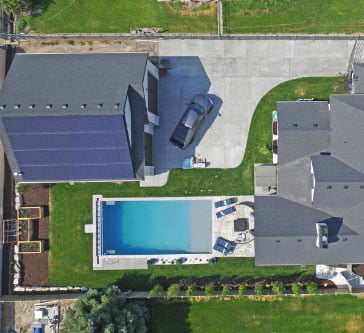
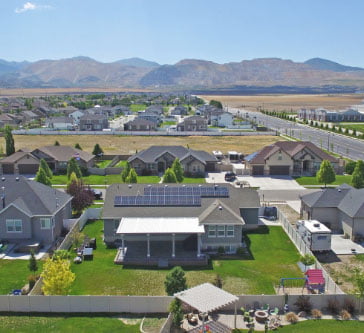
"All of the photos on this website are of real projects that Intermountain Wind & Solar has designed and installed.
We are proud to show off and stand behind our work."