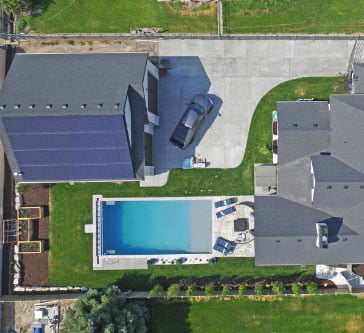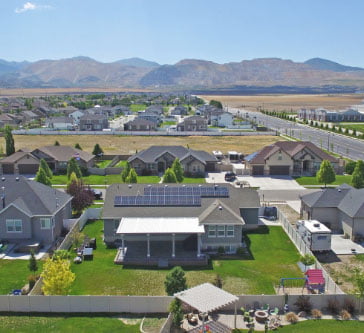
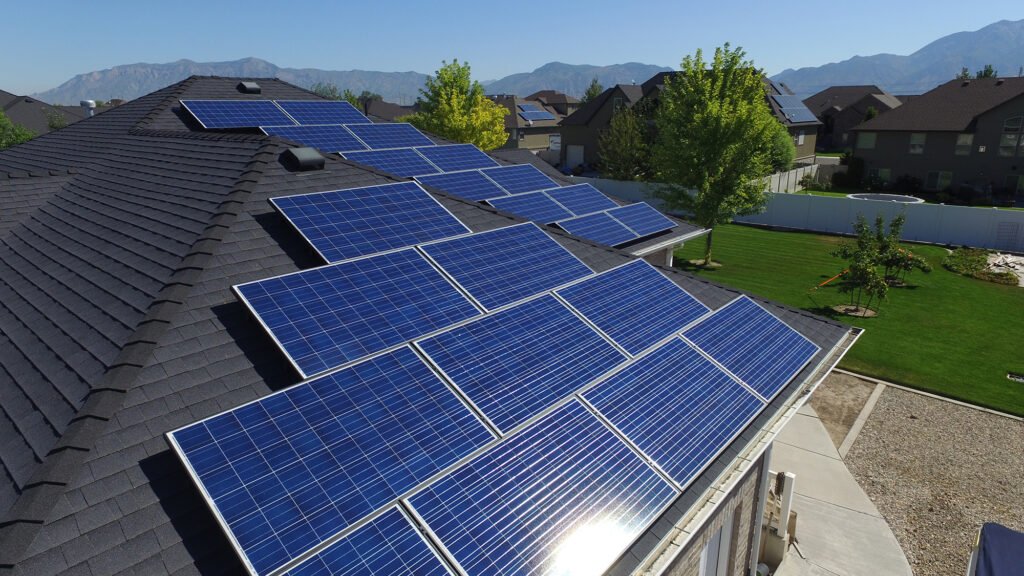
Residential solar energy systems are designed on a case-by-case basis. Homeowners have different electricity needs, and because every rooftop or ground installation site is unique, photovoltaic solar energy system configurations are individually planned.
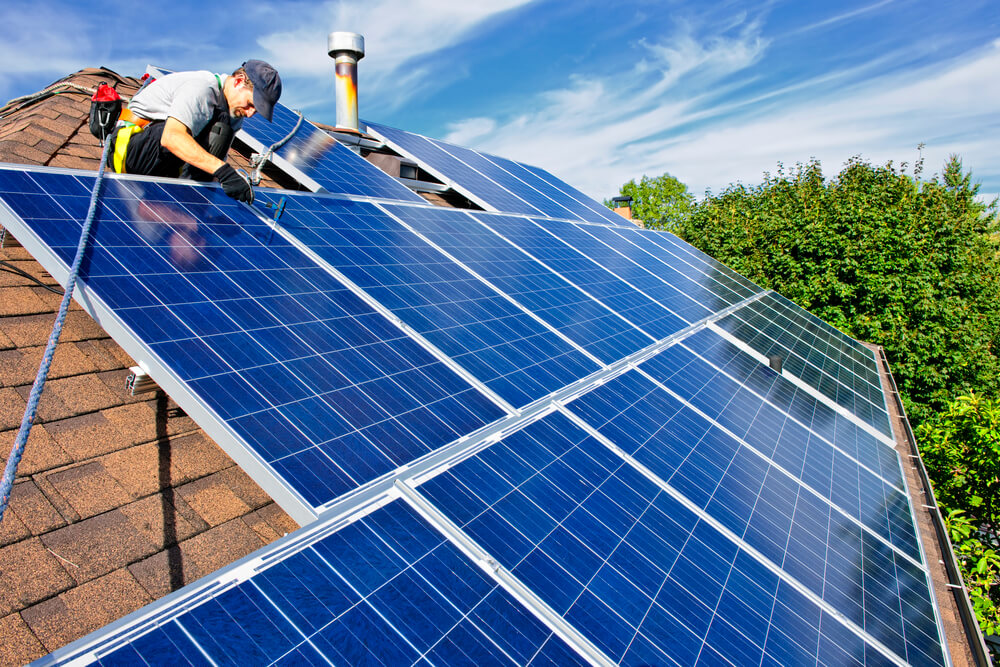
That said, most residential photovoltaic power installations share the same types of components. These are the primary components needed for a home PV system.
Solar panels are the foundation of any home PV system. Made of dozens of solar cells, the panels absorb photons of light from the sun and transform the particles into an electrical current — a phenomenon known as photovoltaic effect. The more electricity a home uses, the more photovoltaic panels are needed.
The photovoltaic effect produces direct current (DC) electricity, but home electronics and appliances require alternating current (AC) electricity. Inverters take the DC energy from the photovoltaic panels and convert it to usable AC energy. For residential solar energy systems, either micro-inverters or string inverters can be installed.
Most residential photovoltaic solar energy systems are installed on rooftops, using mounting components specifically designed for residential solar panels. The racks typically require installers to make some holes in the roof, but special flashing is used to create a watertight, leak-free seal. Ground-mounted solar energy installations use metal poles and racks made to support the panels at the ideal tilt and angle.
In a home PV system, the photovoltaic panels are wired together into a string, and the string is wired to the inverter. Or, if micro-inverters are used, each one is connected to a separate panel. The wiring is then attached to the home grounding system and connected to the grid with the net meter from the local utility company. The net meter allows electricity to flow between the home and the electric grid.
Residential solar energy systems often have in-home production meters to track electricity production. Many homeowners also opt to have web-based monitors installed to more easily observe their home PV system output and understand patterns in their household energy usage. Monitoring systems also alert homeowners to changes in electricity generation, which means they can be addressed more quickly.
If you’re planning on investing in residential solar power, you want high-quality photovoltaic components — and that’s exactly what you’ll get if you plan your home PV system installation with Intermountain Wind & Solar.
Intermountain Wind & Solar uses only tried-and-true, well-tested photovoltaic products from trusted, established manufacturers. And our team is just as committed to exceptional customer service as we are to using quality components. To schedule a home PV consultation in Utah, Idaho, Nevada, Colorado or Wyoming — or to learn more about our residential solar energy systems — contact us today.
Microinverters convert DC to AC at each panel, reducing energy losses from shading and mismatch by up to 10%. IWS installs Enphase microinverters on 95% of Utah roofs, boosting system uptime to 99.5% and increasing annual yield by 3–8% compared to traditional string inverters.
Solar panels need cleaning every 1–2 years and an annual performance inspection. IWS technicians complete debris removal, micro-crack checks, and wiring tightness tests in under 60 minutes. Regular care sustains 92% of rated capacity over 25 years and protects your warranty.
A battery backup stores excess solar energy off-grid for 6–12 hours of essential loads during outages. IWS offers Tesla Powerwall 2 with 13.5 kWh capacity, covering refrigerators, lighting, and pumps. This setup cuts grid reliance by 35% and prevents downtime during storms.
IWS offers cash purchase, solar loans at 4.49% APR, 0% down leases, and bulk-purchase discounts up to 5% for three or more systems. These plans can reduce upfront costs by up to 40%. We handle all paperwork in-house for approvals in 30–45 days.
IWS processes building permits and utility interconnection in-house. Our team submits electrical, structural, and zoning documents within 7 business days, securing approvals in 3–6 weeks. This local expertise streamlines installation across Utah, Idaho, Wyoming, and Oregon.





"All of the photos on this website are of real projects that Intermountain Wind & Solar has designed and installed.
We are proud to show off and stand behind our work."