
The transition to renewable energy is a significant milestone for any property owner, yet many residents remain hesitant due to outdated information. Navigating the world of clean energy requires a clear understanding of how modern technology actually integrates with your daily life and financial goals. For those in the Intermountain West, the geography and climate present unique opportunities that are often overshadowed by common residential solar myths.
Whether you are looking to lower your monthly bills or increase your property value, debunking residential solar myths is the first step toward a brighter future. For a personalized consultation and expert installation in Salt Lake City, Utah, or Boise, Idaho, contact the leading solar power companies at Intermountain Wind & Solar to start your journey today. Our team is dedicated to providing clarity and transparency as you navigate the shift toward sustainable energy solutions for your family. Here are some common solar myths, debunked!
One of the most persistent hurdles for homeowners is the belief that clean energy is an exclusive luxury for the wealthy. In reality, the price of equipment has plummeted over the last decade, and modern incentives make the transition more accessible than ever before. Many families find that the monthly savings on their utility bills are more than enough to offset any financing costs associated with the installation.
Many people mistakenly believe that solar technology is only effective in scorching desert environments like Arizona or Southern California. This misunderstanding stems from a confusion between heat and light, as panels actually rely on photons rather than temperature. In fact, excessive heat can sometimes reduce the efficiency of the electrical components within the system.
Utah and Idaho experience plenty of bright, clear days that are perfect for high-yield energy production throughout the year. Interestingly, solar panels often operate more efficiently in cooler temperatures because electrical conductivity improves when the hardware is not overheating. While heavy cloud cover does reduce the total output, modern panels are designed to capture a broad spectrum of light to keep your home powered. Even during a snowy winter, the reflection of light off the snow can sometimes provide a small boost to the energy hitting your roof.
Furthermore, the high elevation of Salt Lake City and Boise often means clearer air and more direct sunlight than coastal regions. This geographical advantage ensures that your system remains productive even during the shorter days of the winter season. Many homeowners are surprised to find that their peak production days often occur during the crisp, bright days of spring and autumn. By choosing one of the top solar power companies like Intermountain Wind & Solar, you ensure your system is calibrated for these specific local conditions.
Durability is a common point of concern for those worried about the harsh weather conditions often found in the Intermountain West. Homeowners frequently ask if their investment will be shattered by hail or if they need to spend weekends scrubbing the glass. Modern engineering has addressed these concerns by creating materials that are built to last for thirty years or more.
A frequent misconception is that installing panels means you are instantly and completely independent from the local utility grid. While it is possible to go entirely off-grid, most residential systems are designed to work in harmony with your local utility provider. This hybrid approach offers the best balance of reliability and cost-effectiveness for the average modern household.
This connection allows you to participate in net metering, where you send excess power back to the grid during the day and receive credits. These credits then cover the energy you draw at night or during particularly dark winter weeks when production is naturally lower. Without a dedicated battery backup system, your solar array will typically shut down during a power outage to ensure the safety of utility workers. Understanding this relationship helps you set realistic expectations for your energy independence and long-term utility savings.
Intermountain Wind & Solar is proud to be one of the most trusted solar power companies serving Salt Lake City, Utah, and Boise, Idaho. We invite you to reach out to our team today to learn how we can help you achieve energy independence with a system tailored to your specific needs. Let us help you debunk any remaining residential solar myths and start your journey toward a cleaner, more affordable energy future.





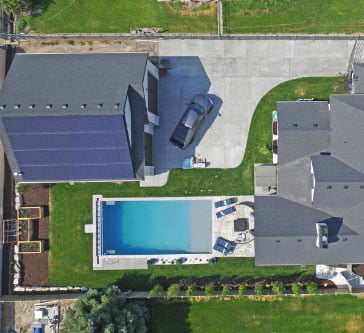
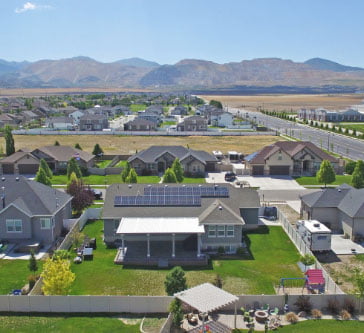
"All of the photos on this website are of real projects that Intermountain Wind & Solar has designed and installed.
We are proud to show off and stand behind our work."