Many home and building owners prioritize scalability for any major property improvements, and those interested in solar power are common examples. Which qualities make a given solar panel setup eligible to be scaled up effectively in the future, and how should they be considered?
At Intermountain Wind & Solar, we're here to offer a wide range of residential and commercial solar power services to clients around Boise, Idaho and Salt Lake City, Utah areas. Our team regularly works with clients to help them install scalable solar systems that can expand in the future if needed - here are some of the chief variables we typically discuss during these conversations.
Whenever we're discussing solar panel installation with a prospective client, residential or commercial alike, we always emphasize the importance of planning for future energy needs. While it's certainly great to start with a smaller solar system that meets your current energy demands, it's important to consider potential future growth and any changes in energy consumption patterns.
By installing a scalable solar system from the beginning, you can avoid costly upgrades down the line and ensure that your solar investment continues to meet your needs for years to come. This is especially important for businesses, where energy usage may increase as the company grows.
There are several factors that we encourage clients to consider when planning for future energy needs. These include:
Two primary components within a solar power system that can be installed in scalable ways are batteries and panels. When considering future expansion, it is important to choose a system that allows for easy integration of additional batteries and panels. This will ensure that your solar power system can keep up with changing energy demands.
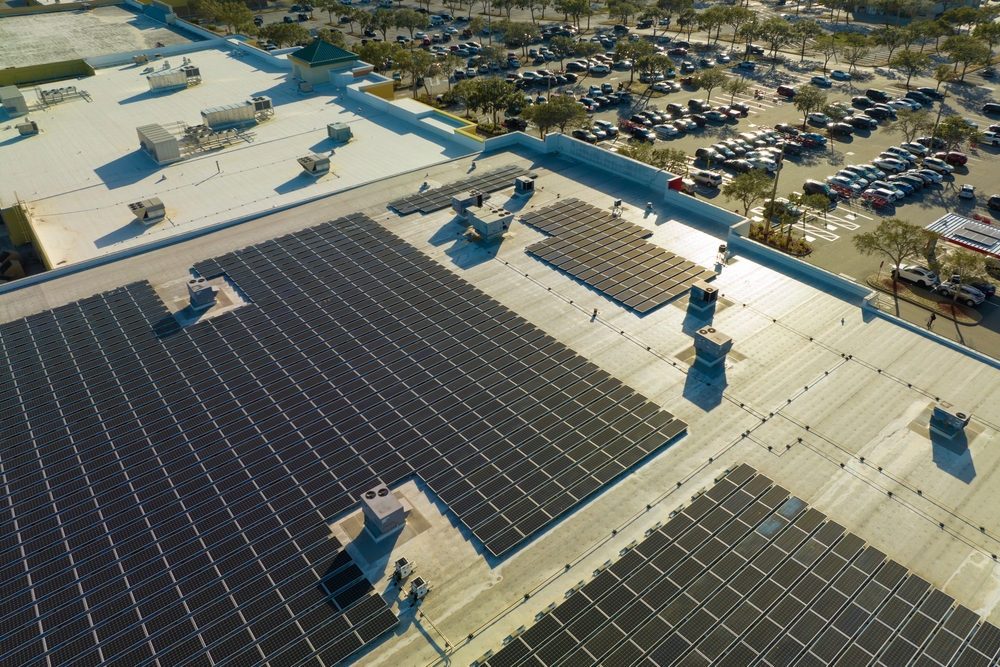
For panels, this means considering your available rooftop space and choosing a system that can easily accommodate additional panels if needed. For batteries, it is important to choose a system that allows for continuous expansion by adding more battery modules as needed.
Additionally, it is important to consider the type of battery technology used in your solar power system. Certain types of batteries, such as lithium-ion batteries, are known for their scalability and ability to handle high energy demands. It may be worth investing in a higher-quality battery system from the start in order to have room for future growth.
One way that some solar power owners often look to scale up their system is by incorporating electric vehicle (EV) charging into their setup. This can be a smart move, as it allows for the utilization of excess solar energy to power vehicles, further reducing reliance on traditional energy sources.
When considering EV charging in your solar power system, there are a few things to keep in mind. First and foremost, you will need to make sure your solar panels are producing enough energy to both power your home and charge your vehicle(s). It may also be necessary to install additional equipment, such as an EV charging station or specialized wiring, depending on the specific needs of your EV.
Another factor to consider is the potential impact on battery life. The increased demand for energy from charging vehicles may put stress on your battery system, potentially causing it to degrade faster than expected. To mitigate this, it is important to properly size and maintain your solar power system to ensure that it can handle the added load from EV charging.
It is also worth noting that there are different types of EVs with varying charging capabilities. For example, some vehicles have a larger battery capacity and therefore require more energy to charge. Others may have faster charging rates, meaning they will draw more power during a shorter amount of time.
Another important component in a solar panel setup when it comes to scalability is the inverter. The inverter is responsible for converting the direct current (DC) energy produced by the solar panels into usable alternating current (AC) energy for your home or EV charger.
When considering scalability, it is important to choose an inverter that can handle a larger system size and accommodate for potential future expansions. Some inverters may have limitations on the maximum system size they can support, so be sure to check this when selecting one for your solar power setup.
As you can see, there are a number of factors and components to consider when it comes to installing a scalable solar system. For more here, or to learn about any of our solar panel services around Idaho and Utah, contact our team at Intermountain Wind & Solar today.





"All of the photos on this website are of real projects that Intermountain Wind & Solar has designed and installed.
We are proud to show off and stand behind our work."