As utility rates continue to rise across the Intermountain West, more homeowners are turning to solar energy to achieve energy independence. However, making the decision to add storage to your system can be confusing due to a flood of misinformation online. Many people remain hesitant to invest because they fall victim to common solar battery myths that distort the true value of modern energy storage. Understanding the realities of how these systems operate ensures you make an informed choice for your home.
Investing in a reliable solar battery backup is one of the smartest ways to secure your property against unpredictable power grids and rising electricity costs. The experienced team at Intermountain Wind & Solar helps homeowners navigate these choices every day across our service geos in Salt Lake City, Utah and Boise, Idaho. Let’s explore the facts behind these storage options so you can maximize your clean energy investment.
Residential energy storage technology has advanced dramatically over the last decade, yet outdated information still circulates among consumers. Many property owners worry that these units are fragile or will require replacement after just a few years of regular use. Modern systems are highly resilient and engineered specifically to handle the daily cycling demands of a busy household.
Here are some common myths we hear about solar batteries:
A frequent point of confusion involves how a solar battery backup operates when the local utility grid goes dark. Many individuals mistakenly assume that simply having panels on their roof guarantees power during an electrical outage. In reality, standard grid-tied systems automatically shut down during a blackout to prevent backfeeding electricity into lines where utility employees might be working.
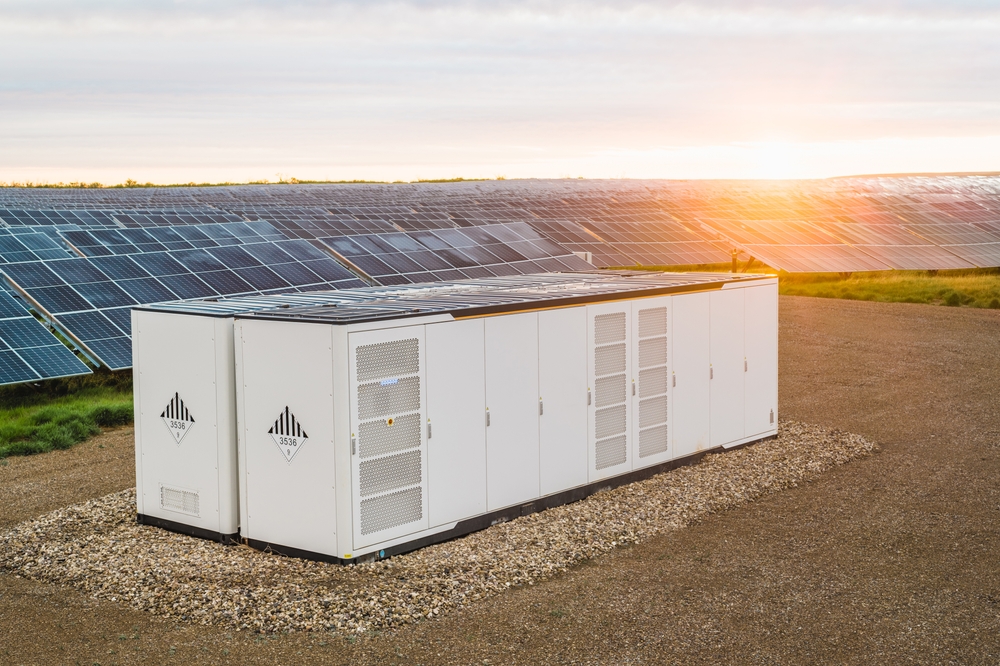
Adding a dedicated backup unit changes this dynamic entirely by creating an isolated energy island for your home. When the main grid fails, the system detects the interruption instantly and disconnects your property from the utility lines. It then routes power directly from your stored reserves to your critical household appliances without any noticeable interruption. This seamless transition ensures your refrigerator, lights, and medical equipment stay powered regardless of outside conditions.
High upfront pricing and phantom upkeep demands are two major worries that frequently prevent people from upgrading their solar arrays. It is easy to look at the initial purchase price and assume the technology is financially out of reach. However, evaluating the complete financial picture reveals a much different story regarding long term value.
Some examples:
Living in areas with distinct seasonal shifts often leads to questions about how solar battery backup technology handles less than ideal weather. Homeowners in northern regions might worry that heavy winter snow or consecutive overcast days render storage systems useless. Fortunately, modern clean energy systems are designed to thrive in diverse environmental conditions.
During cloudy days, your panels still generate electricity from diffuse sunlight and continue to feed energy into your storage unit. In the winter, the cold temperatures actually improve panel efficiency, helping to offset the shorter daylight hours. Your stored reserves act as a vital buffer during these periods, saving excess power from sunny afternoons to use at night. This balancing act ensures a steady supply of clean electricity all year round.
If you are ready to secure your household energy future, Intermountain Wind & Solar is here to guide you through every step of the process. Our team provides professional installations and expert consultations across our main geos in Salt Lake City, Utah and Boise, Idaho. Contact Intermountain Wind & Solar in Salt Lake City, Utah and Boise, Idaho today to request a personalized quote for your property.





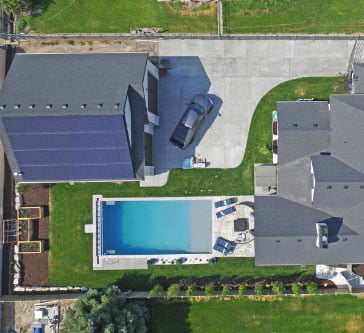
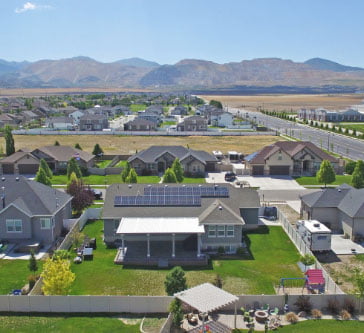
"All of the photos on this website are of real projects that Intermountain Wind & Solar has designed and installed.
We are proud to show off and stand behind our work."