How Often Do Solar Batteries Need to Be Replaced?

Post Views: 426

Solar battery backups are common components of many of today's solar panel setups, storing excess power generated by panels for future use or other beneficial purposes. Like other important components of the system, one particular question is common from clients here: How often do solar batteries need to be replaced?

At Intermountain Wind & Solar, we're here to offer the very best solar power services available to clients around Salt Lake City, Utah, and Boise, Idaho areas, including solar battery backups for any system. Here are some basics on solar batteries and longevity, including the differences between two common types, some signs of decline, and important information on replacement cycles, warranty terms, and related areas.

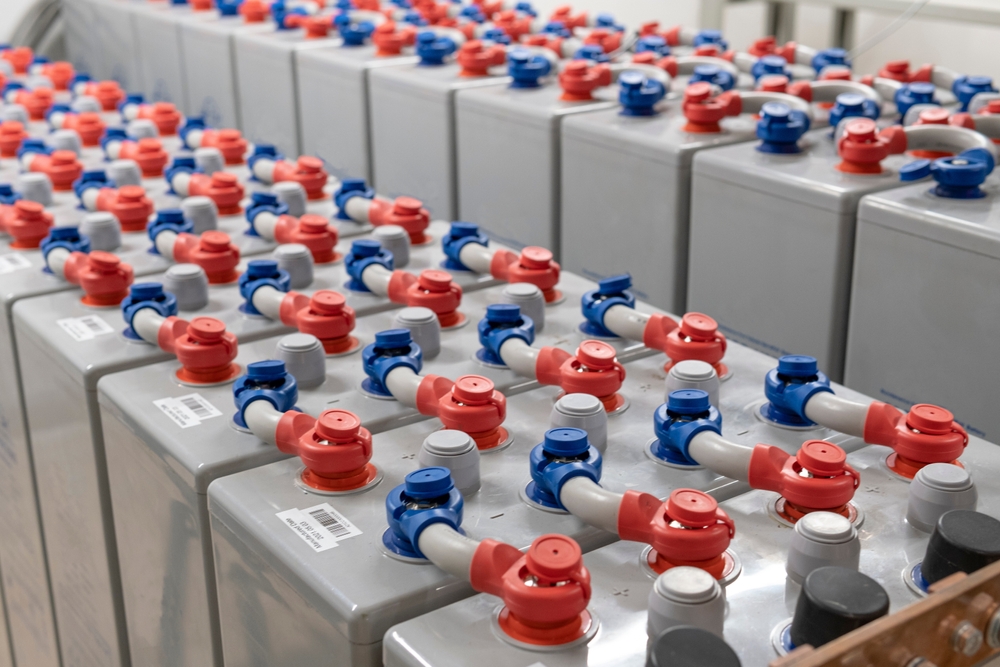
Lithium-Ion Vs Lead-Acid Solar Batteries

The two most common types of solar batteries are lithium-ion and lead-acid.

  • Lithium-Ion Batteries: These are the newer, more advanced type of battery that is becoming increasingly popular in solar power systems. They have a longer lifespan compared to lead-acid batteries and can provide reliable performance for up to 20 years. They also have a higher energy density, meaning they can store more energy in a smaller space.
  • Lead-Acid Batteries: This is the traditional type of battery used in solar power systems. They are cheaper than lithium-ion batteries but have a shorter lifespan of about 10-15 years. Additionally, they require regular maintenance, such as refilling with distilled water, and can be affected by extreme temperatures.

For nearly all solar panel systems, lithium-ion batteries are the preferred choice due to their longer lifespan and higher efficiency. However, lead-acid batteries can still be a viable option for smaller systems or for those on a tighter budget.

Signs of a Declining Solar Battery

There can be a few telltale signs that your solar battery is beginning to decline. These include:

  1. Decreased storage capacity: If you notice that your battery is unable to hold as much charge as it used to, it could be a sign of deterioration.
  2. Reduced output: As batteries age, their maximum power output decreases. If you are not getting the same amount of energy from your battery as before, it may be time for a replacement.
  3. Faster discharge rate: A healthy solar battery should be able to maintain its charge for a longer period of time. If you find that your battery is depleting faster than usual, it may indicate a problem.
  4. Physical damage: Damage to the physical components of the battery, such as cracks or leaks, can significantly affect its performance. If you notice any physical damage on your battery, it is important to replace it immediately.
  5. Corrosion: Over time, batteries can become corroded due to exposure to moisture or other environmental factors. This can lead to poor connections and a decrease in battery life. Regular maintenance and cleaning can help prevent corrosion.

Determining When to Replace

So how do you decide when it's time to replace your battery? There is no singular set time or rule, as it depends on factors such as usage and maintenance. However, there are some signs that may indicate it's time for a replacement:

  • Shortened Battery Life: If you notice that your battery is not holding a charge for as long as it used to, this could be a sign that it needs to be replaced.
  • Difficulty Starting: If you have trouble starting your vehicle and the lights or electronics seem weaker than usual, it could be a sign of a failing battery.
  • Visible Damage: As mentioned previously, physical damage such as cracks or leaks can greatly impact battery performance and may warrant replacement.
  • Age: While this is unlikely to be the case currently, as most solar batteries in operation today are under 10 years old, it is worth mentioning that after a certain amount of time, batteries will simply wear out and need to be replaced.

Warranty Considerations

When looking into a replacement solar battery backup, it is important to also consider the warranty that comes with the new battery. Warranties usually cover a specific length of time or number of cycles, whichever comes first. It is important to research and compare warranties from different manufacturers to ensure you are getting the best value for your investment.

Some things to look out for when considering warranties are:

  • Length of coverage: How many years or cycles does the warranty cover?
  • Transferability: Can the warranty be transferred if you sell your property or system?
  • Pro-rated vs. full replacement: Will the manufacturer reimburse you for the full cost of a new battery or only a percentage based on its age at the time of failure?
  • Exclusions: Are there any specific circumstances or conditions that are not covered by the warranty?
  • Maintenance requirements: Does the warranty require regular maintenance to be performed in order for it to remain valid?

It's also important to note that warranties may vary based on the type of battery being used. For example, lithium-ion batteries typically have longer warranties than lead-acid batteries due to their longer lifespan and durability.

Recycling Your Old Battery

In many cases, it's possible to recycle your old battery rather than simply throwing it away. This not only helps the environment, but it may also be a requirement in some areas due to regulations on battery disposal.

To properly recycle your old battery, you can contact your local government or recycling center for guidance. They will likely have specific instructions on how to safely dispose of or recycle different types of batteries. Additionally, many retailers and manufacturers offer take-back programs where you can return your old battery when purchasing a new one. This is another convenient and responsible option for disposing of your old battery.

At Intermountain Wind & Solar, we're here to help with any solar battery need, including noting possible issues and assisting with replacements when necessary. For more on this or any of our other solar panel services around Utah and Idaho, contact us today!


No search term entered.

Categories
Have Questions? 

Fill Out the Form Below!

By submitting this form, you agree to IWS collecting and using your personal information to respond to your inquiry. Please review our Privacy Policy for more details on how we handle your data.
Power Your Home with Solar

Power Your Home with Solar

Get in touch with our experts now!
Schedule a consultation
Power Your Home with Solar
Solar reviews
Utah Dolar Energy
Top Solar Contractors
Utah Clean Energy
Accredited Business

"All of the photos on this website are of real projects that Intermountain Wind & Solar has designed and installed.
We are proud to show off and stand behind our work."

chevron-down linkedin facebook pinterest youtube rss twitter instagram facebook-blank rss-blank linkedin-blank pinterest youtube twitter instagram