Among a few key topics that typically come up when installing solar panels for a home or building, monthly costs are naturally common and important. If you're planning to finance your solar panel system and pay it off over a period of years, how will this financing impact your monthly costs?
At Intermountain Wind & Solar, we're here to offer a huge range of solar power services for clients around Salt Lake City, Utah and Boise, Idaho areas, including solar panel financing and help with areas like tax savings, rebates and more. Here are some of the monthly payment structures that are often used for solar panel financing and what to know about them, plus a comparison to typical utility bills and some important info on long-term costs, incentives and related budgeting tips.
There are a few different formats or structures that are commonly used when it comes to financing solar panels, including:
Compared to traditional utility bills, these options can vary in terms of cost and ownership. Options like loans and PPAs will create the greatest increase to your monthly bill in the immediate term, but will also provide long-term savings. On the other hand, options like community solar and shared ownership can have a smaller impact on your monthly bill but may not generate as much cost savings over time.
One of the great things about cash purchases, solar loans or various lease agreements is that they offer long-term cost predictability. With these options, you can essentially lock in your electricity costs for the next 25-30 years. This can be especially beneficial when considering the potential rise of traditional electricity rates over time.
Furthermore, those locked-in rates tend to drop over time as you pay off your loan or lease agreement. This means that you can see even more cost savings over the long-term, making solar an even more attractive option for those looking to save money on electricity. And once they're fully paid off, you have a fully self-generating energy system in your home.
When considering solar panel financing, it's also vital to take into account the impact of incentives and rebates. Many local, state, and federal governments offer various incentives to encourage homeowners to invest in solar energy. These can include tax credits, cash rebates, or other financial incentives that can significantly reduce the overall cost of installing a solar panel system.
Additionally, utility companies may also offer their own incentives for choosing solar energy. These can include net metering programs where you can sell excess energy back to the grid or time-of-use rates that allow you to save money by using more electricity during off-peak hours. By taking advantage of these incentives and rebates, you can further reduce the cost of financing your solar panel system and see even greater long-term value.
As you can see, there are a few key considerations when it comes to how your solar panel financing will impact your overall monthly energy costs and long-term savings. For more here, or to learn about any of our solar financing services for clients around Utah and Idaho, contact our team at Intermountain Wind & Solar today!




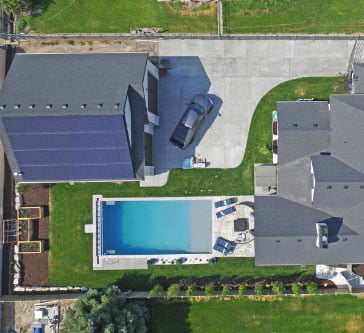
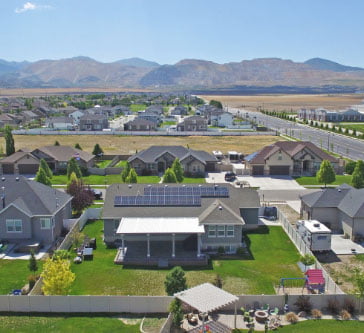
"All of the photos on this website are of real projects that Intermountain Wind & Solar has designed and installed.
We are proud to show off and stand behind our work."