
Residential solar energy is no longer a futuristic concept but a practical reality for thousands of homeowners across the Intermountain West. As energy costs continue to fluctuate, understanding the mechanics of how your roof generates power is the first step toward true energy independence. Modern panels are sophisticated devices that work silently to provide clean electricity for your appliances and electric vehicles.
Learning how solar panels work is essential for any homeowner considering an upgrade to their property. At Intermountain Wind & Solar, we provide expert installation services for residents in Salt Lake City, Utah, and Boise, Idaho. If you are looking for the most reliable solar companies to handle your transition to renewable energy, our team is ready to design a custom system tailored to your specific needs and local climate. Read on to learn more!
The journey from sunlight to electricity begins within the photovoltaic cell, which is the primary building block of every solar panel. These cells are typically constructed from silicon, a semiconductor material that has unique atomic properties. When photons from the sun strike the surface of the cell, they transfer energy to the silicon atoms, knocking electrons loose from their bonds.
The internal structure of the cell is designed with two distinct layers of silicon to create an electric field. One layer is treated with phosphorus to add extra electrons, while the other is treated with boron to create a deficit of electrons. This disparity creates a positive and negative side, much like a battery. This structure ensures that once the sun knocks an electron loose, it is forced to move in a specific direction rather than wandering aimlessly.
Generating a flow of electrons is only half the battle; that flow must be captured and transformed into a format that can power a modern home. The movement of electrons creates direct current electricity, which flows in a single direction through the metal conductive plates in the panel. This raw energy is then sent through a series of wires to a critical component known as an inverter.
Most household appliances and the regional power grid operate on alternating current rather than direct current. The inverter serves as the brain of the system, rapidly switching the direction of the current to match the needs of your home. Once converted, the electricity is distributed through your electrical panel. Any excess energy produced during the day can be sent back to the grid or stored in a home battery system for use after sunset.
Choosing the right technology is vital because different panel types offer varying levels of performance and aesthetics. Most homeowners will choose between the two primary crystalline silicon options based on their budget and available roof space. Understanding how solar panels work involves recognizing that the manufacturing process dictates the final output.
While the physics of solar energy remains constant, environmental variables can change how much power your system actually produces. Professional solar companies prioritize system design to mitigate these factors and ensure you get the highest return on your investment. Factors such as the angle of your roof and local weather patterns play a significant role in daily production totals.
Selecting the right partner for your installation ensures that your system is optimized for the unique conditions of the high desert and mountain valleys. Intermountain Wind & Solar has spent years perfecting the art of renewable energy for homeowners in Salt Lake City, Utah, and Boise, Idaho. We are proud to be one of the top solar companies in the region, helping our neighbors harness the power of the sun to lower their monthly utility bills. Contact us today for help with how solar panels work, or for any of our solar panel solutions!





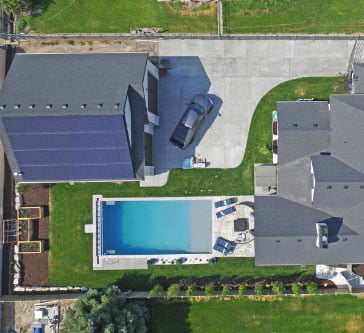
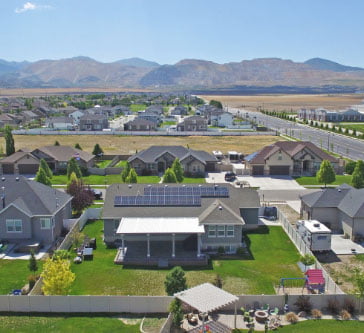
"All of the photos on this website are of real projects that Intermountain Wind & Solar has designed and installed.
We are proud to show off and stand behind our work."